






⚡ Quick Answer — Hybrid Training Shoes
The best hybrid training shoes balance a stable, low-drop platform for lifting with enough cushioning and flexibility for running or cardio work. Models like the Nike Metcon 10, Reebok Nano X5, and NOBULL Drive 2 are built specifically for this trade-off, while a pure running shoe or a pure weightlifting shoe will compromise one side of your training.
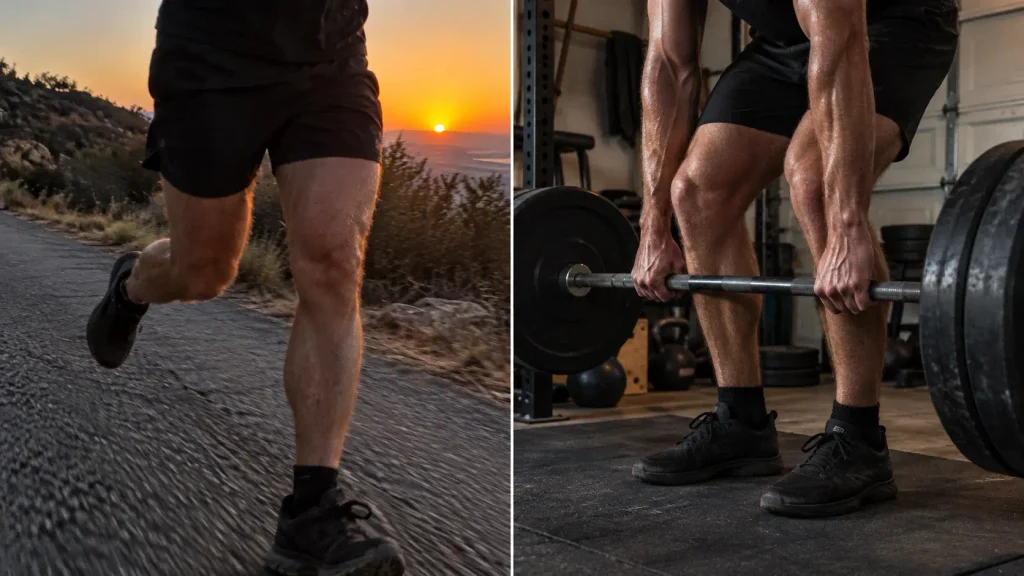
Wearing running shoes to squat, or lifting shoes to run intervals, is one of the quietest ways hybrid athletes limit their own training. Footwear designed for one activity actively works against the other, and most people don’t notice until they compare how a session feels in the right shoe.
We compared the current market’s most recommended cross-training models against the criteria that actually matter for combined strength and cardio work, to narrow down which hybrid training shoes are worth the investment and which trade-offs each one makes.
What Makes a Good Hybrid Training Shoe? (Featured Snippet)
A good hybrid training shoe needs to check these boxes at the same time:
- Low heel-to-toe drop (4–8mm) for a stable base under a barbell.
- Firm, wide platform that resists compressing sideways during heavy lifts.
- Enough forefoot flexibility to run or move laterally without feeling locked in.
- Durable outsole traction that works on gym floors, turf, and pavement alike.
- Breathable upper that doesn’t trap heat during longer cardio efforts.
No hybrid training shoe maximizes all five perfectly — every model leans slightly toward lifting or slightly toward cardio, which is exactly why the right pick depends on how your training week is weighted.
Why a Running Shoe or a Lifting Shoe Alone Falls Short
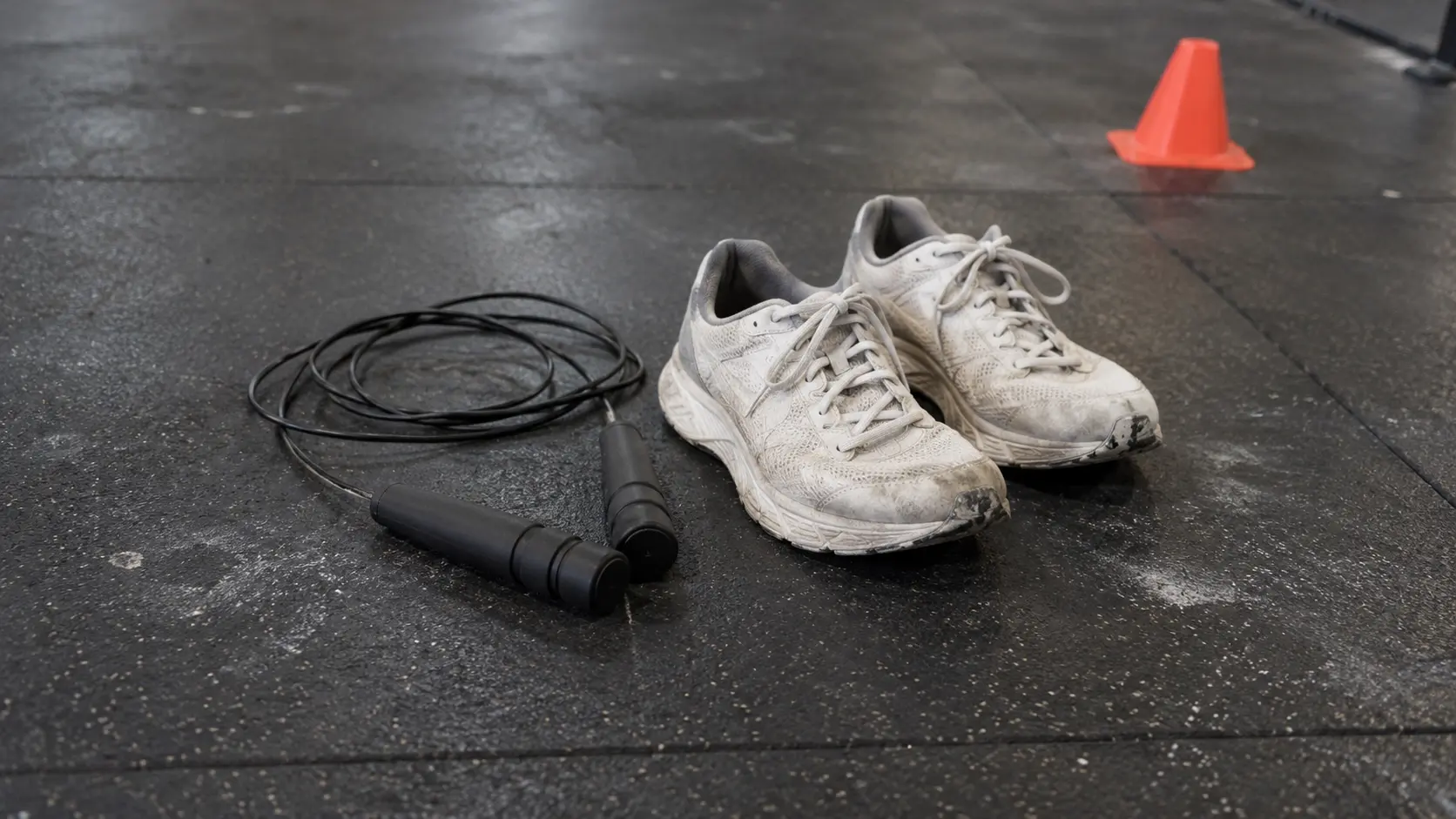
Running shoes are built with soft, high-stack cushioning designed to absorb repeated impact — which is exactly what makes them unstable under a loaded barbell. The same foam that protects your joints on a run compresses unpredictably during a squat or deadlift, undermining balance right when you need it most. Many lifters who’ve squatted in running shoes describe a vague, sinking feeling under load, even when the weight itself isn’t near their limit.
Dedicated weightlifting shoes solve the opposite problem. Their rigid sole and elevated heel improve squat depth and bar path, but that same rigidity makes them uncomfortable and even risky for running or fast lateral movement — the stiff sole doesn’t flex the way a foot naturally does mid-stride. Hybrid training shoes exist specifically to sit between these two extremes, sacrificing a bit of peak performance in each direction for usable performance in both.
💡 Training Tip
If you’re combining strength training and cardio together in the same session, a mid-ground hybrid shoe usually beats switching shoes mid-workout for consistency and simplicity.
How Your Training Split Should Drive Your Shoe Choice
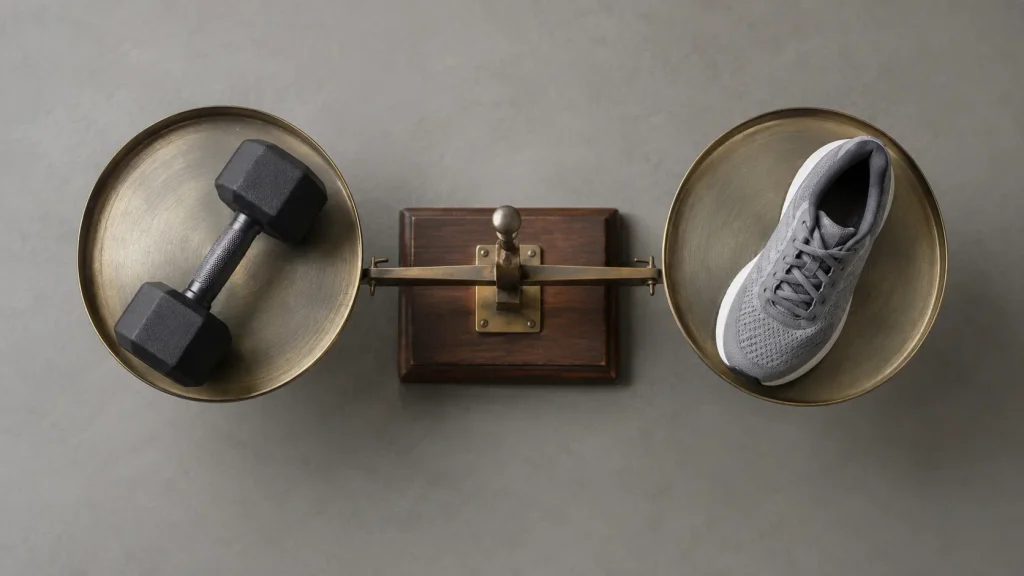
The “best” hybrid training shoe isn’t a fixed answer — it depends on how your training week is actually weighted, not on which shoe has the most reviews. An athlete doing four lifting sessions and one easy cardio session per week has very different footwear needs than one doing three moderate lifts and three cardio sessions.
A useful way to think about it: rate your typical week on a scale from “mostly lifting” to “mostly cardio.” The closer you sit to either extreme, the more it makes sense to lean your shoe choice that direction. Only athletes with a genuinely even split benefit most from the most balanced options on the market.
The 5 Best Hybrid Training Shoes for Lifting and Cardio
These five hybrid training shoes are consistently recommended by trainers and independent reviewers for combined strength-and-cardio use, each with a slightly different lean.
| Shoe | Best For | Heel Drop | Lean |
|---|---|---|---|
| Nike Metcon 10 | Overall balance | 4mm | Even |
| Reebok Nano X5 | Lifting-heavy weeks | 4mm | Lifting |
| Nike Free Metcon 6 | Cardio-leaning weeks | 4mm | Cardio |
| NOBULL Drive 2 | Stability under load | 4mm | Lifting |
| Inov-8 F-Lite | Lightweight, plyometrics | Low/zero | Cardio |
Nike Metcon 10 — Best Overall Balance
The Metcon line is the default reference point for hybrid training shoes, and the 10th generation keeps the dual-density foam midsole and wide, rubber-wrapped heel that made earlier versions popular. It handles squats and heavy pulls confidently while staying usable for short-to-moderate runs, making it the safest first pick if you’re not sure which direction to lean. Most reviewers point to it as the shoe that makes the fewest compromises in either direction, which is exactly why it’s a reasonable default rather than a specialist choice.
Reebok Nano X5 — Best for Lifting-Heavy Weeks
The Nano X5 leans further toward stability than the Metcon, with a firmer platform that rewards heavier lifting sessions and lateral movement. It’s a strong choice for weeks where strength training dominates your schedule and cardio sessions stay shorter or lower-intensity. Athletes coming from a CrossFit or general strength background often find the fit and stability more familiar than more cushioned hybrid options.
Nike Free Metcon 6 — Best for Cardio-Leaning Weeks
This model softens the standard Metcon platform with a more flexible forefoot, closing some of the gap toward a running shoe. It’s the better pick if your weekly split has more cardio volume than lifting volume, at a small cost to maximum lifting stability. Runners transitioning into more structured strength work often find this the easiest hybrid shoe to adapt to, since it still feels closer to a running shoe underfoot.
NOBULL Drive 2 — Best for Stability Under Load
Built specifically around the stability-cushioning-grip framework outlined above, the Drive 2 uses a firm, wide base designed to stay balanced under load while still offering enough cushioning for conditioning work. It’s a solid alternative to the Metcon line for athletes who prioritize lifting stability slightly more than running comfort, and its wider toe box is worth noting for anyone who’s found other hybrid shoes too narrow.
Inov-8 F-Lite — Best Lightweight Option
The F-Lite trades some lifting stability for a genuinely lightweight, flexible ride that suits plyometrics, sprint work, and lighter accessory lifting. It’s not the shoe to squat a heavy single in, but for athletes whose hybrid training leans cardio-and-conditioning first, it’s one of the more comfortable options available, especially for longer conditioning circuits where foot fatigue becomes a factor.
⚠️ Common Mistake
Buying the most cushioned option “just in case.” Extra cushioning helps running comfort but actively hurts lifting stability — match the shoe to what your training week actually looks like, not the opposite extreme.
Heel Drop and Stability: What the Research Actually Says
Heel-to-toe drop is one of the most debated features in hybrid training shoes, and the evidence is more mixed than marketing suggests. A 2021 review of footwear and elevated-heel effects on the barbell back squat found that while weightlifting shoes reduce trunk lean and increase ankle plantarflexion compared to running shoes or bare feet, the broader research base is still limited, particularly for novice and recreational lifters.
Practically, this means the 4mm drop found in most hybrid training shoes is a reasonable middle ground: enough heel elevation to help ankle mobility and squat depth for most lifters, without the rigidity of a dedicated weightlifting shoe that would make running uncomfortable. Chasing a more extreme drop in either direction usually solves one problem while creating another.
Break-In Period and Sizing
Hybrid training shoes generally need less break-in time than a stiff dedicated weightlifting shoe, but the fit itself deserves attention before you commit to a pair for both lifting and cardio. Many hybrid models run slightly narrower through the midfoot than standard running shoes, since a snugger fit supports lateral stability during lifts.
A short in-store or at-home test — walking, a few bodyweight squats, and a light jog if possible — reveals more than sizing charts alone. If your toes feel cramped during the squat test or your heel slips during the jog test, that’s a sizing issue worth solving before your first real session, not after.
6 Common Mistakes When Choosing Hybrid Training Shoes
Most athletes don’t pick a bad shoe outright — they pick a reasonable shoe for the wrong training split.
- Choosing based on looks rather than platform stability. A shoe that looks like a trainer isn’t automatically built like one.
- Ignoring your actual weekly training split. A lifting-biased shoe on a cardio-heavy week (or vice versa) creates unnecessary compromise every session.
- Sizing hybrid training shoes like running shoes. Many hybrid models fit snugger through the midfoot for lifting stability — try them on rather than ordering your usual running size.
- Waiting until a shoe is fully worn out to replace it. A compressed, uneven midsole undermines stability well before it looks visibly damaged.
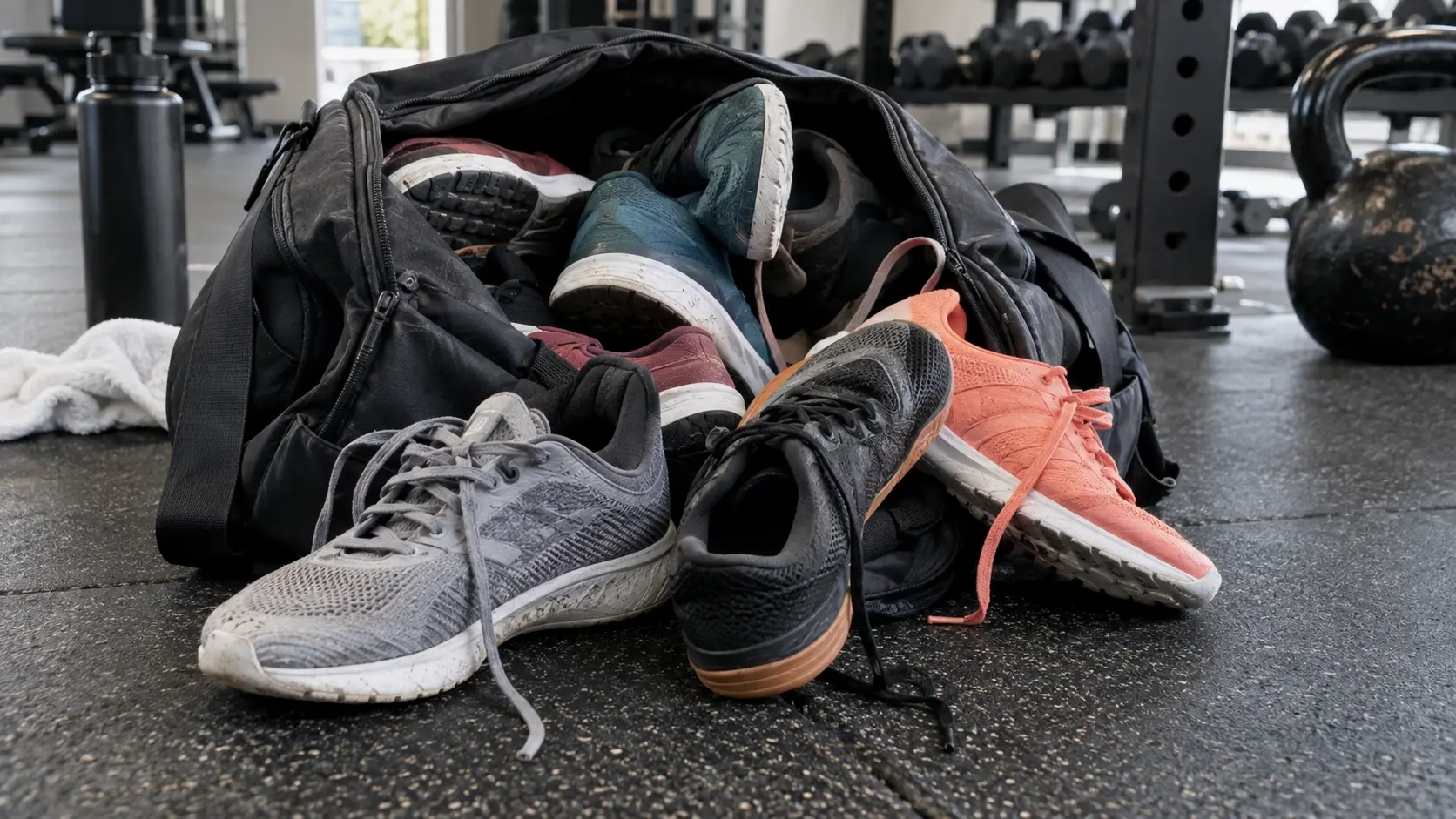
- Assuming one pair covers every training modality forever. Athletes with a heavy powerlifting phase and a separate cardio-focused phase often benefit from two different pairs.
- Overlooking traction for your actual training surface. A shoe great on rubber gym flooring can feel unstable on turf or pavement, and vice versa.
FAQ
Do I need different shoes for lifting and running?
Not necessarily. A hybrid training shoe is designed to handle both reasonably well, though dedicated shoes for each will always outperform a hybrid at the extremes of either activity.
What heel drop is best for hybrid training shoes?
Most hybrid training shoes use a 4–8mm drop, which balances squat stability with enough flexibility for running or lateral movement without the rigidity of a dedicated lifting shoe.
How long do hybrid training shoes last?
Most last around a year of consistent training, though heavy lifting can compress the midsole faster than moderate cardio-only use.
Are hybrid training shoes good for running long distances?
They’re better suited to shorter runs and interval work. For regular long-distance running, a dedicated running shoe with more cushioning will feel noticeably more comfortable over higher mileage.
Which hybrid training shoe is best for beginners?
The Nike Metcon 10 is a safe starting point for most beginners, since its balanced design doesn’t require knowing yet whether your training will lean more toward lifting or cardio.
Quick Action Plan: How to Pick Your Pair This Week
- Look at your last 4 weeks of training and estimate the rough split between lifting and cardio sessions.
- If it’s close to even, start with a balanced option like the Metcon 10.
- If lifting clearly dominates, lean toward the Nano X5 or NOBULL Drive 2.
- If cardio clearly dominates, lean toward the Free Metcon 6 or Inov-8 F-Lite.
- Try the shoe on and walk, then do a few bodyweight squats in-store or at home before committing.
- Replace your pair once you notice uneven wear or reduced stability, rather than waiting for visible damage.
Bottom line: the best hybrid training shoes match your actual weekly split, not an idealized “does everything perfectly” shoe that doesn’t exist. Browse our Gear & Equipment section for more picks as your training evolves.




Leave a Reply