






⚡ Quick Answer — Cold Plunge for Hybrid Athletes
Cold plunge for hybrid athletes can genuinely blunt strength and muscle gains if used immediately after resistance training. Multiple controlled studies show regular post-lift cold water immersion attenuates hypertrophy and strength adaptations by suppressing the same inflammatory signaling your muscles need to grow. It’s still useful for general recovery and cardio-focused days — the timing relative to strength training is what matters.
Cold plunge culture has exploded — Wim Hof breathing videos, Huberman Lab episodes, ice baths as a status symbol of discipline. What rarely makes it into the Instagram version is a well-replicated body of research showing that jumping in right after a hard lifting session may be quietly working against your goals.
We went through the controlled trials, the mechanistic studies, and the 2024 meta-analysis on this exact question. Here’s what cold plunge for hybrid athletes actually does, and when it helps versus when it costs you.
Cold Plunge for Hybrid Athletes: Does It Hurt Muscle Growth? (Featured Snippet)
Cold plunge for hybrid athletes can reduce strength and hypertrophy gains when used immediately after resistance training, based on multiple controlled studies. A landmark 12-week trial found the cold water immersion group gained significantly less muscle mass and strength than a group using active recovery instead. A 2024 systematic review and meta-analysis confirmed the same direction of effect across the accumulated research, though the impact on strength specifically was smaller than the impact on hypertrophy.
The effect isn’t about cold exposure being universally bad — it’s specifically about timing cold plunge for hybrid athletes too close to a strength training stimulus.
The Research: What Cold Water Immersion Actually Does
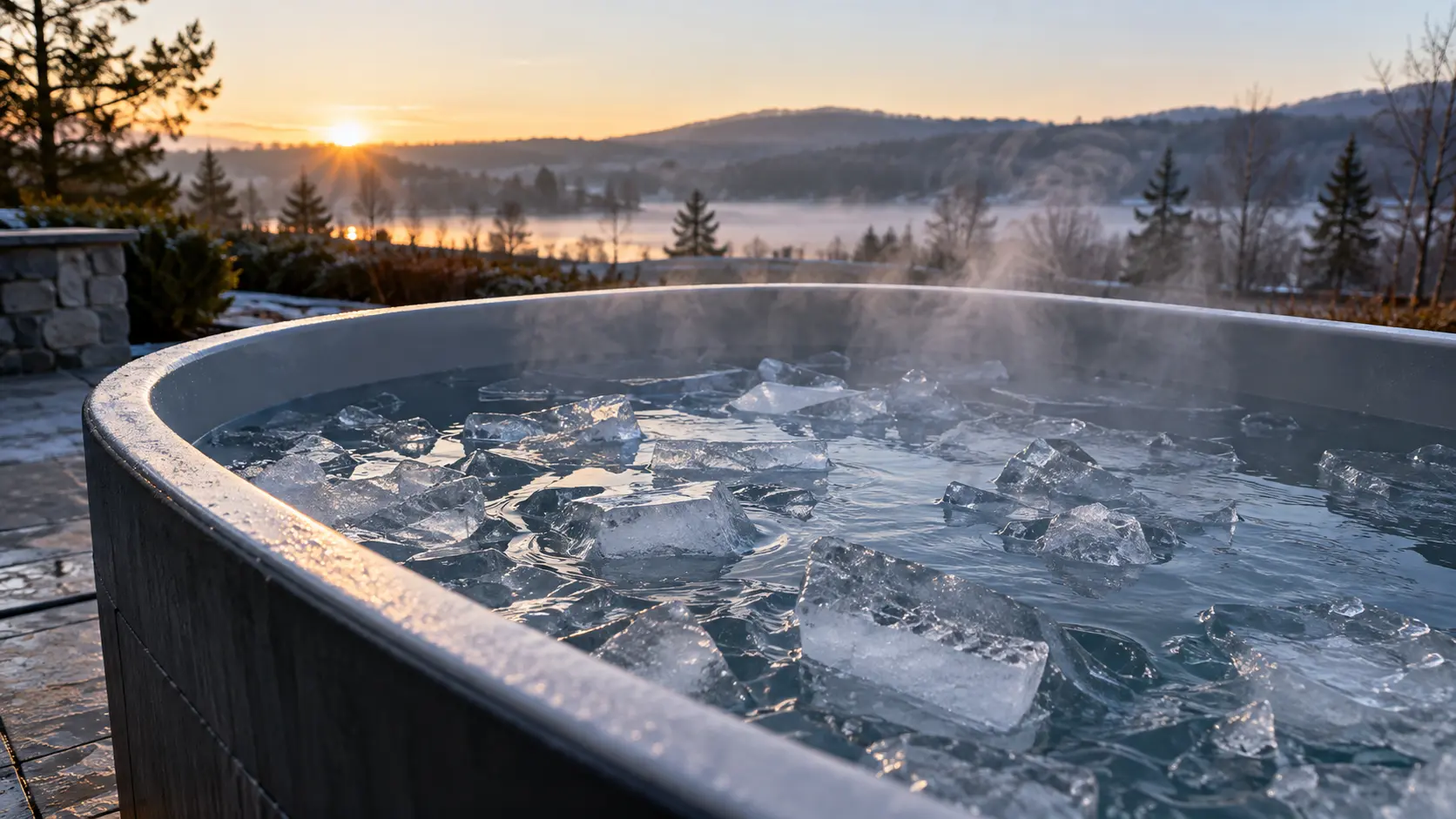
The most cited study on this topic comes from research published in Frontiers in Physiology, building on earlier work by Roberts and colleagues. Over a 12-week resistance training program, participants using regular post-exercise cold water immersion — sitting waist-deep in roughly 10°C water for 10 minutes within 5 minutes of finishing — showed measurably blunted whole-muscle hypertrophy and smaller increases in Type II muscle fiber size compared to those using active recovery instead.
The same research line found that cold water immersion attenuated a key signaling pathway (p70S6K phosphorylation) involved in muscle protein synthesis, reduced the response of satellite cells needed for muscle repair, and suppressed ribosome biogenesis — a process central to long-term muscle growth. A separate study found similar reductions in strength and lean mass gains over a longer resistance training block.
| Outcome Measured | Effect of Cold Water Immersion |
|---|---|
| Muscle hypertrophy | Significantly reduced vs. active recovery |
| Strength gains | Reduced, smaller effect than hypertrophy |
| Anabolic signaling (p70S6K) | Attenuated over 48-hour recovery window |
| Satellite cell response | Reduced at 24 and 48 hours post-exercise |
| DOMS (soreness) | Reduced — the one clear benefit |
Why the Mechanism Makes Sense
This isn’t a mysterious or poorly understood effect. Resistance training works by creating controlled muscle damage and triggering an inflammatory response — that inflammation is part of the signal your body uses to repair and rebuild muscle tissue larger and stronger than before. Cold plunge for hybrid athletes interferes with exactly this process, since cold exposure is specifically anti-inflammatory by design.
In other words, the same property that makes cold water immersion effective for reducing soreness is the property that dampens the adaptation signal you trained for in the first place. It’s a genuine trade-off, not a myth.
⚠️ Common Mistake
Jumping straight into a cold plunge right after heavy lifting because it “feels productive.” That timing is precisely when the research shows the biggest interference with strength and muscle adaptation.
Does the Same Interference Apply to Endurance Training?
This is a distinction that gets lost in most cold plunge coverage. The interference research specifically targets resistance training adaptation — the muscle protein synthesis and satellite cell pathways involved in getting stronger or bigger. Endurance adaptations work through largely different mechanisms, centered on mitochondrial density and cardiovascular efficiency rather than the same acute inflammatory signaling.
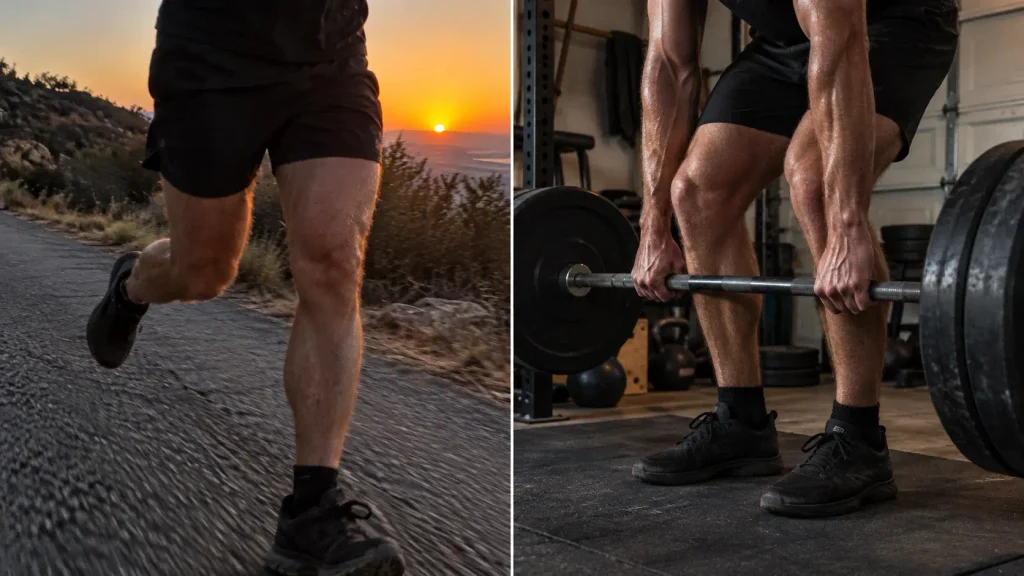
That’s an important nuance for cold plunge for hybrid athletes specifically, since your training week typically includes both types of stimulus. The caution that applies firmly to your lifting days doesn’t carry the same weight on your Zone 2 or interval cardio days, where the research concern hasn’t been consistently demonstrated in the same way.
💡 Training Tip
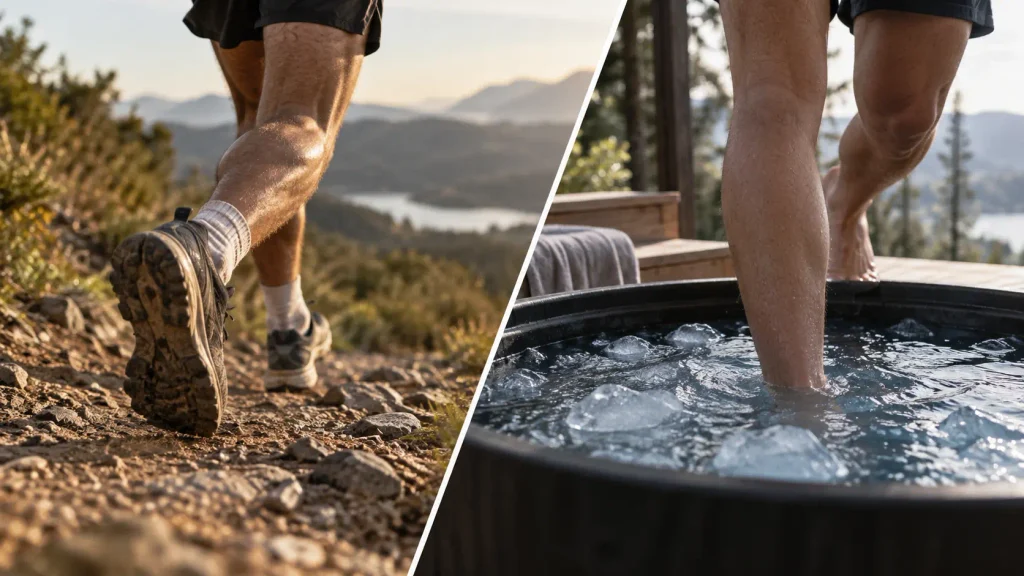
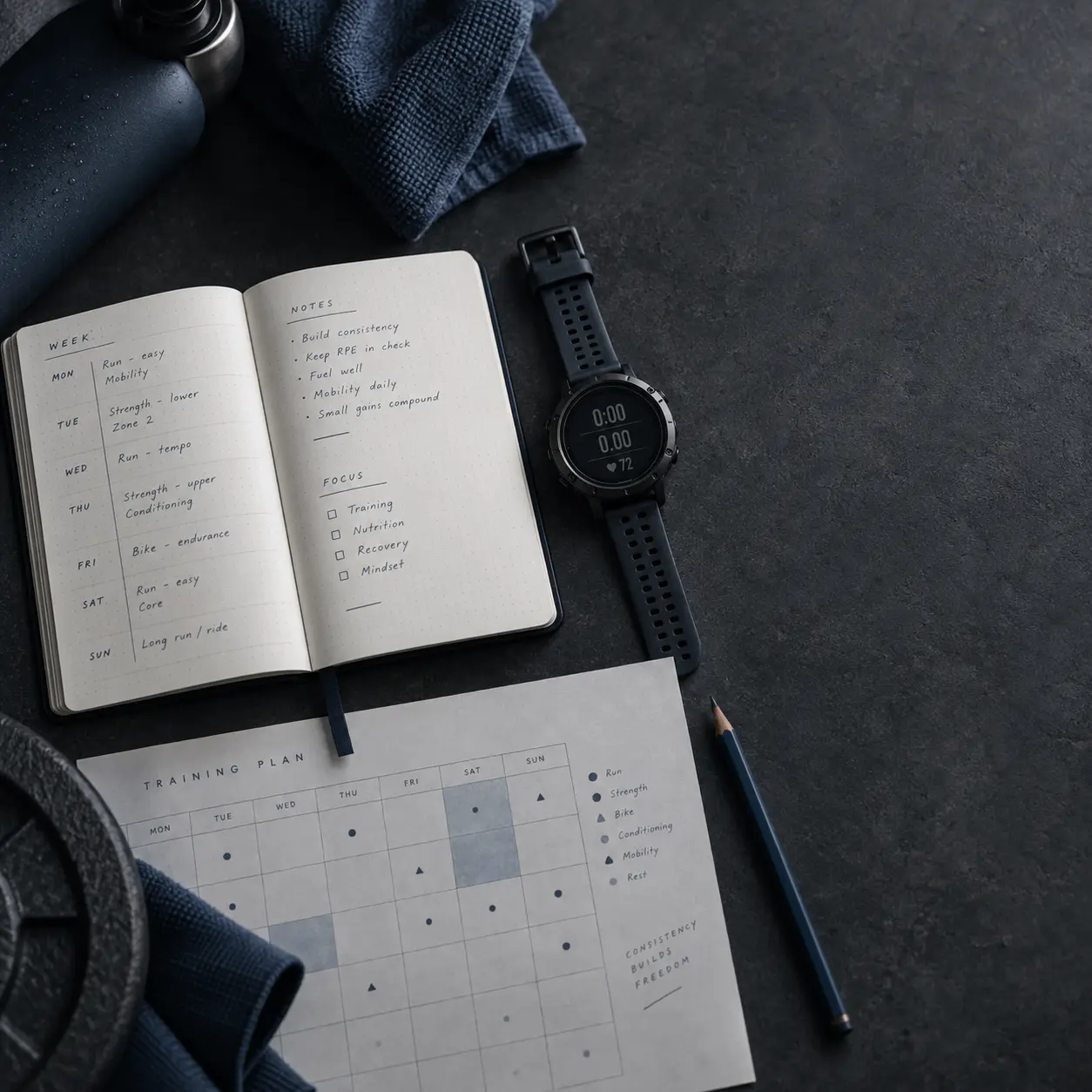
If you’re following a periodized approach like our 12-week hybrid training plan, save cold plunges for your cardio-focused blocks rather than your strength-focused ones, where hypertrophy and strength adaptation matter most.
The Nuance Most People Miss
Headlines tend to flatten this into “cold plunges kill your gains,” but the actual research is more specific than that framing suggests. The 2024 meta-analysis found the effect on strength was notably smaller than the effect on hypertrophy — meaning cold plunge for hybrid athletes may cost you some muscle size without necessarily costing you as much raw strength.
For hybrid athletes specifically, this matters because your goals aren’t always about maximizing hypertrophy. On a heavy cardio block, or during a period where recovery from combined training matters more than muscle growth, the trade-off looks different than it does for someone in a dedicated hypertrophy phase.
When Cold Plunge Still Makes Sense for Hybrid Athletes
None of this research says cold exposure is useless. There are specific situations where cold plunge for hybrid athletes remains a reasonable tool.
- After hard cardio sessions, not strength sessions. The interference research specifically targets resistance training adaptation, not endurance recovery.
- During a deload or maintenance week. When you’re not actively trying to maximize strength adaptation, the trade-off matters far less.
- For genuine DOMS relief before a competition or event. If reducing soreness for an upcoming performance matters more than long-term hypertrophy right now, the trade-off can make sense.
- For general well-being and mental benefits. Improved mood and stress reduction are separate from the muscle-growth question entirely.
When to Avoid It
The clearest case against cold plunge for hybrid athletes is immediately following a strength-focused session where hypertrophy or strength gains are the actual goal — particularly during accumulation or transmutation blocks in a periodized program, where the entire point of training is maximizing that adaptation.
🚨 Important
This article covers general training research, not medical advice. Cold water immersion carries cardiovascular risks for some individuals — anyone with heart conditions or circulation issues should consult a doctor before starting cold exposure practices.
How Long and How Cold Actually Matters
The research protocols that showed blunted gains used fairly specific parameters: roughly 10°C (50°F) water, waist-deep immersion, for about 10 minutes, starting within 5 minutes of finishing training. Shorter, less cold, or less frequent exposure hasn’t been studied as thoroughly, so it’s reasonable to assume the interference effect scales with how cold, how long, and how soon after training the plunge happens — rather than being an all-or-nothing switch.
Practically, this means an occasional brief cold shower isn’t equivalent to a dedicated 10-minute ice bath protocol performed after every single strength session for months.
Alternatives Worth Considering
If cold plunge for hybrid athletes doesn’t fit your current strength-focused block, a few alternatives address similar goals without the same research concern.
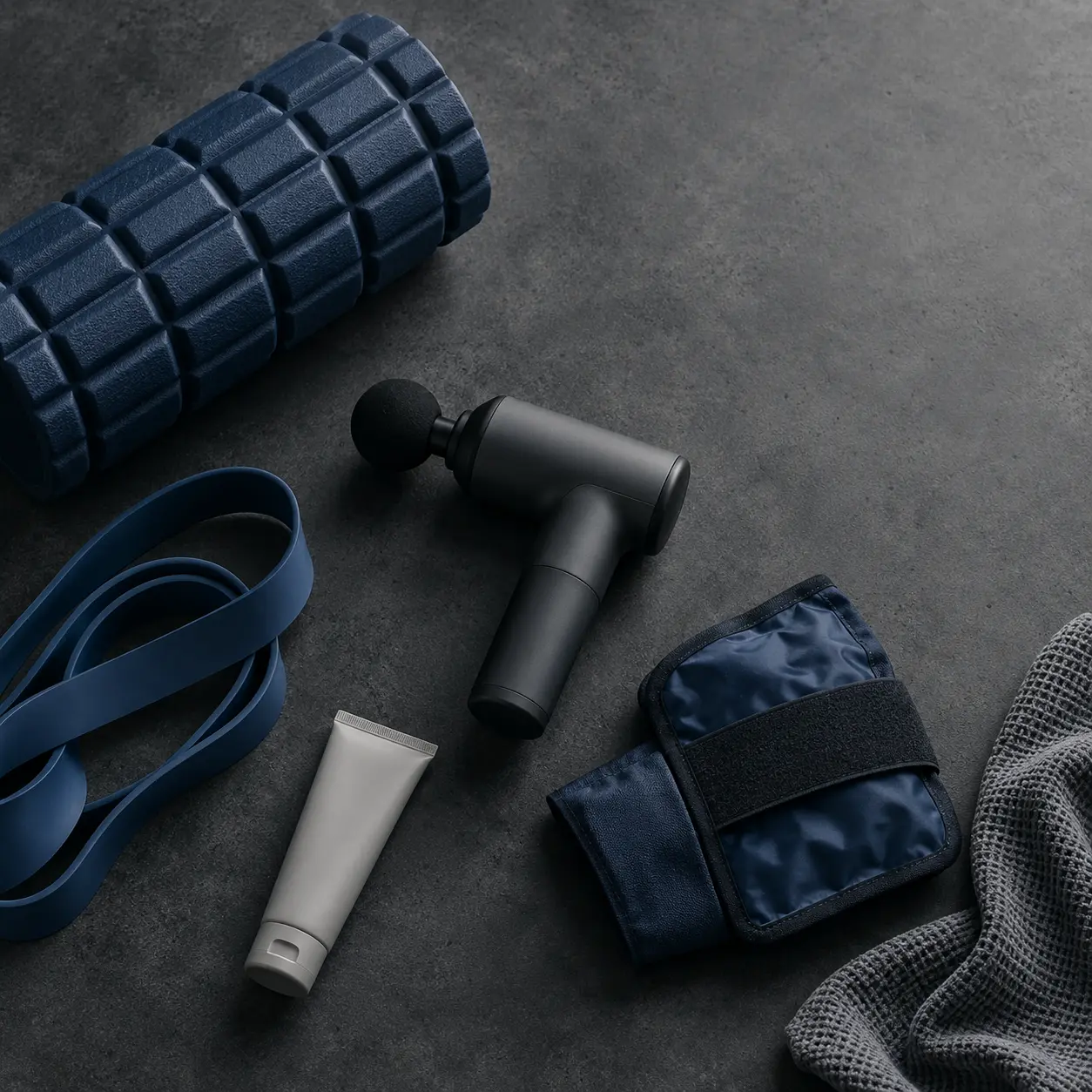
- Active recovery. Light cycling, walking, or easy movement increases blood flow without the anti-inflammatory interference of cold exposure — and it’s exactly what performed as well or better than cold water immersion in the controlled studies.
- Sleep and nutrition. Our guides to recovery for hybrid athletes and nutrition for hybrid athletes cover the two levers with the strongest evidence behind them for supporting both strength and cardio adaptation simultaneously.
- Contrast showers. A milder alternating hot-cold approach hasn’t been studied as extensively, but it avoids the sustained cold exposure duration used in the interference research.

6 Mistakes People Make With Cold Plunge Timing
Most of the downside from cold plunge for hybrid athletes comes from a handful of avoidable timing errors.
- Plunging immediately after every strength session, regardless of training phase. The interference matters most during phases where you’re actively building strength or muscle.
- Assuming cold plunge is equally risky after cardio. The research specifically targets resistance training adaptation, not endurance recovery.
- Treating soreness relief as proof it’s helping performance. Reduced DOMS and reduced long-term adaptation can happen at the same time.
- Ignoring your current training goal. The trade-off is very different during a hypertrophy block versus a maintenance or deload week.
- Copying elite athlete routines without their context. Athletes using cold plunge during competition season have different priorities than someone in a dedicated strength-building phase.
- Never separating cold exposure from training entirely. Doing it hours later, or on a separate day, avoids the interference window without giving up cold exposure altogether.
FAQ
Does cold plunge really hurt muscle gains?
Multiple controlled studies show regular post-strength-training cold water immersion reduces hypertrophy and, to a lesser extent, strength gains compared to active recovery, primarily by suppressing the inflammatory signaling muscles use to adapt.
Is it okay to cold plunge after cardio instead of lifting?
Yes, the interference research specifically concerns resistance training adaptation. Using cold plunge after cardio-focused sessions avoids that particular trade-off.
How long should I wait after lifting before a cold plunge?
The studies showing interference used immersion within 5 minutes of finishing training. Waiting several hours, or doing it on a separate day, is a reasonable way to reduce the potential interference while still using cold exposure.
Does cold plunge help with muscle soreness?
Yes — this is the one consistently supported benefit. The same anti-inflammatory effect that helps reduce soreness is what appears to interfere with long-term muscle adaptation.
Should hybrid athletes avoid cold plunge entirely?
Not necessarily. The smarter approach is timing it around cardio sessions or deload weeks rather than immediately after strength-focused training aimed at building muscle or strength.
Quick Action Plan
- Identify which training blocks are currently focused on building strength or muscle versus maintenance or cardio.
- Save cold plunge sessions for after cardio days or during deload weeks, not immediately after heavy lifting.
- If you use cold plunge after strength training anyway, wait several hours or move it to a separate day rather than doing it within minutes.
- Use cold exposure for its other benefits — mood, stress, general well-being — separately from your recovery-for-hypertrophy strategy.
- Reassess your approach each time your training phase shifts between building and maintaining.
Bottom line: cold plunge for hybrid athletes isn’t inherently good or bad — it’s a tool with a real, research-backed trade-off that depends entirely on timing and current goals. For more on structuring recovery around training phases, see our Recovery & Injury Prevention section.






Leave a Reply