






⚡ Quick Answer — Sleep for Athletes
Sleep for athletes works best when you aim for at least 7 hours a night, keep a regular schedule and protect your sleep around hard training days. Many athletes may need more than the general adult range, depending on load and age. Below are six essential rules for lifters and runners to sleep better and recover faster.
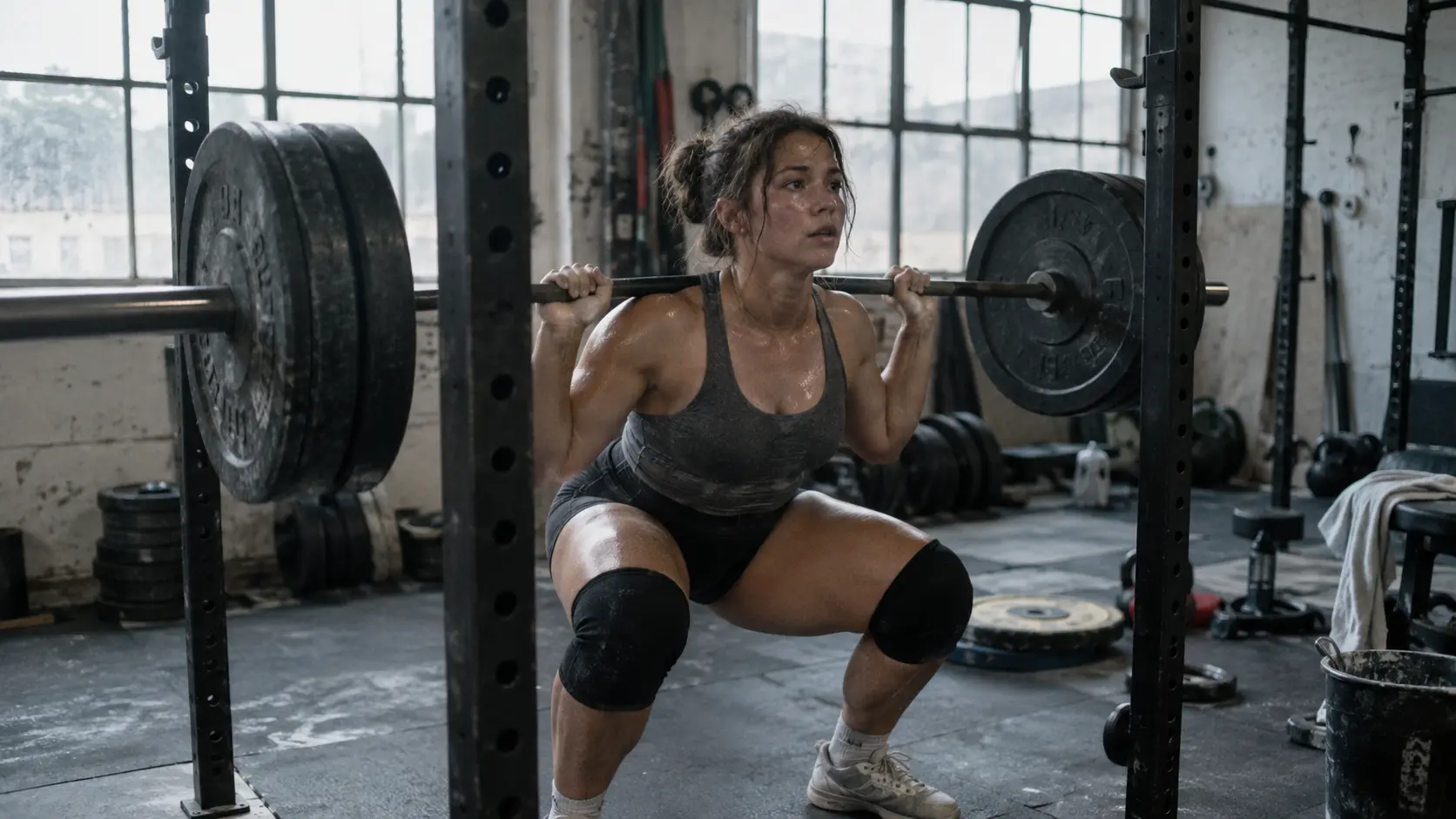
You can follow the perfect program and still stall if you sleep five hours a night. Sleep is where much of your recovery happens, and it is the one training input that costs nothing. Sleep for athletes is not a luxury, it is the base that every session sits on.
We reviewed two sources, the 2021 expert consensus on sleep and the athlete in the British Journal of Sports Medicine and a 2020 systematic review on sleep extension in athletes, and turned them into six rules you can use tonight. The evidence is still limited in places, so we kept the claims modest.
How Much Sleep Do Athletes Need?
There is no single number that fits everyone. General guidance for adults is 7 to 9 hours per night, and experts suspect that athletes may need more, depending on their training load, age and recovery demands. The best target is the amount that leaves you rested and performing well.
Sleep for athletes means getting enough high-quality sleep to support recovery, adaptation and performance. Adults are generally advised to get 7 to 9 hours per night, and regularly sleeping under 7 hours is a sign of inadequate sleep. Athletes in heavy training may need more, so goals should be individual.
If you regularly sleep under 7 hours and feel flat, sore or irritable, that is a strong clue. Start by measuring how much time you actually give yourself in bed, then work up from there in small steps.
💡 Training Tip
Count back from your wake-up time, not from when you feel tired. If you need 8 hours and wake at 6:30, your lights-out time is 10:30 at the latest, so protect that window like a training session.
Why Sleep for Athletes Matters
Training breaks the body down, and sleep is when much of the rebuilding happens. When sleep is short or broken, reaction time, mood and training quality can all suffer, and hard sessions feel harder than they should. Poor sleep also makes it easier to skip workouts or make poor food choices.
The 2021 consensus in the British Journal of Sports Medicine treats habitual sleep under 7 hours as a marker of inadequacy, and rejects a one-size-fits-all target in favor of individual goals. It describes studies in which extra sleep helped. In collegiate basketball players, about 10 hours in bed for 5 to 7 weeks improved reaction time, sprint times and mood. In trained cyclists and triathletes, three nights of about 8.4 hours improved endurance performance compared with their usual 6.8 hours.
The 2020 systematic review of sleep extension is more cautious. It found only five eligible studies, included two, and reported that sleep extension may improve performance, with effects depending on the measure. Sleep was extended by 26 to 106 minutes in those trials. The authors describe their conclusions as tentative, so use these findings as encouragement, not as a promise.
🚨 Important
Sleep advice can backfire if you already struggle with insomnia. If you regularly cannot fall asleep, wake often or feel exhausted despite enough time in bed, speak with a doctor or a sleep specialist.
6 Essential Rules for Sleep for Athletes
These six rules cover how much to sleep, when to sleep, your environment, what you consume, naps and scheduling. They fit with the recovery habits in our recovery guide and with any plan, including our 12-week hybrid training plan.
1. Aim for at Least Seven Hours, and More When Load Is High
When it comes to sleep for athletes, treat seven hours as a floor, not a target. In heavy training blocks, many athletes feel better with eight or more. The consensus suggests that individual needs vary, so adjust based on how you feel and perform.
If you are short on sleep, add time gradually. Going to bed 15 to 30 minutes earlier for a week is easier to sustain than a sudden jump. The 2020 review found extensions of 26 to 106 minutes in its included studies, which is a realistic range for most people.
2. Keep a Consistent Schedule and Wind-Down Routine
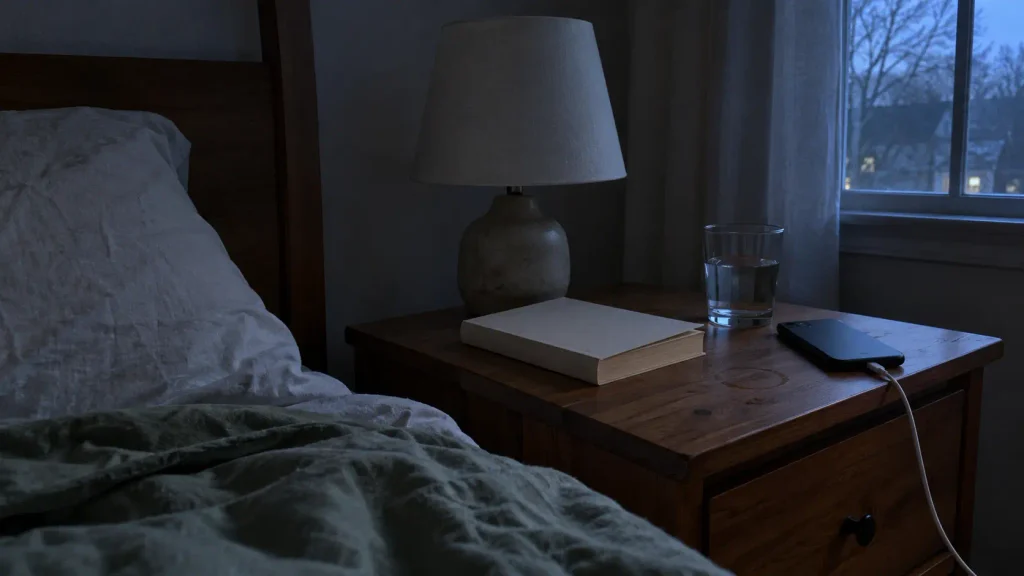
Good sleep for athletes starts with regular timing. Your body likes consistency. Going to bed and waking up at similar times, even on weekends, makes it easier to fall asleep and wake up rested. Morning daylight also helps set your body clock.
A short wind-down routine tells your brain that the day is over. Dim the lights, put your phone away, and do something calm for 20 to 30 minutes. If you cannot sleep, avoid lying awake for long periods and get up for a short while until you feel sleepy.
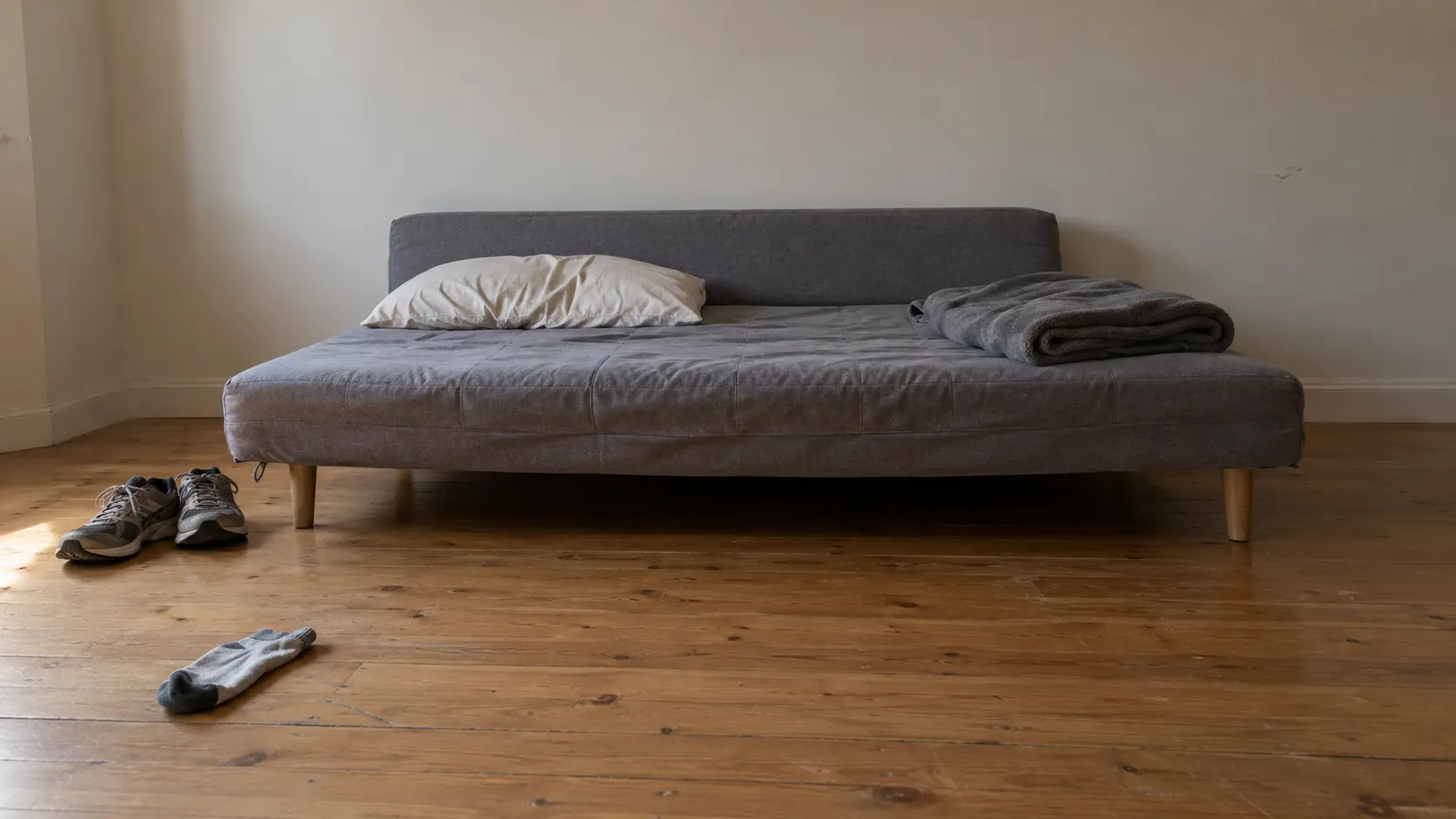
3. Make Your Bedroom Cool, Dark and Quiet
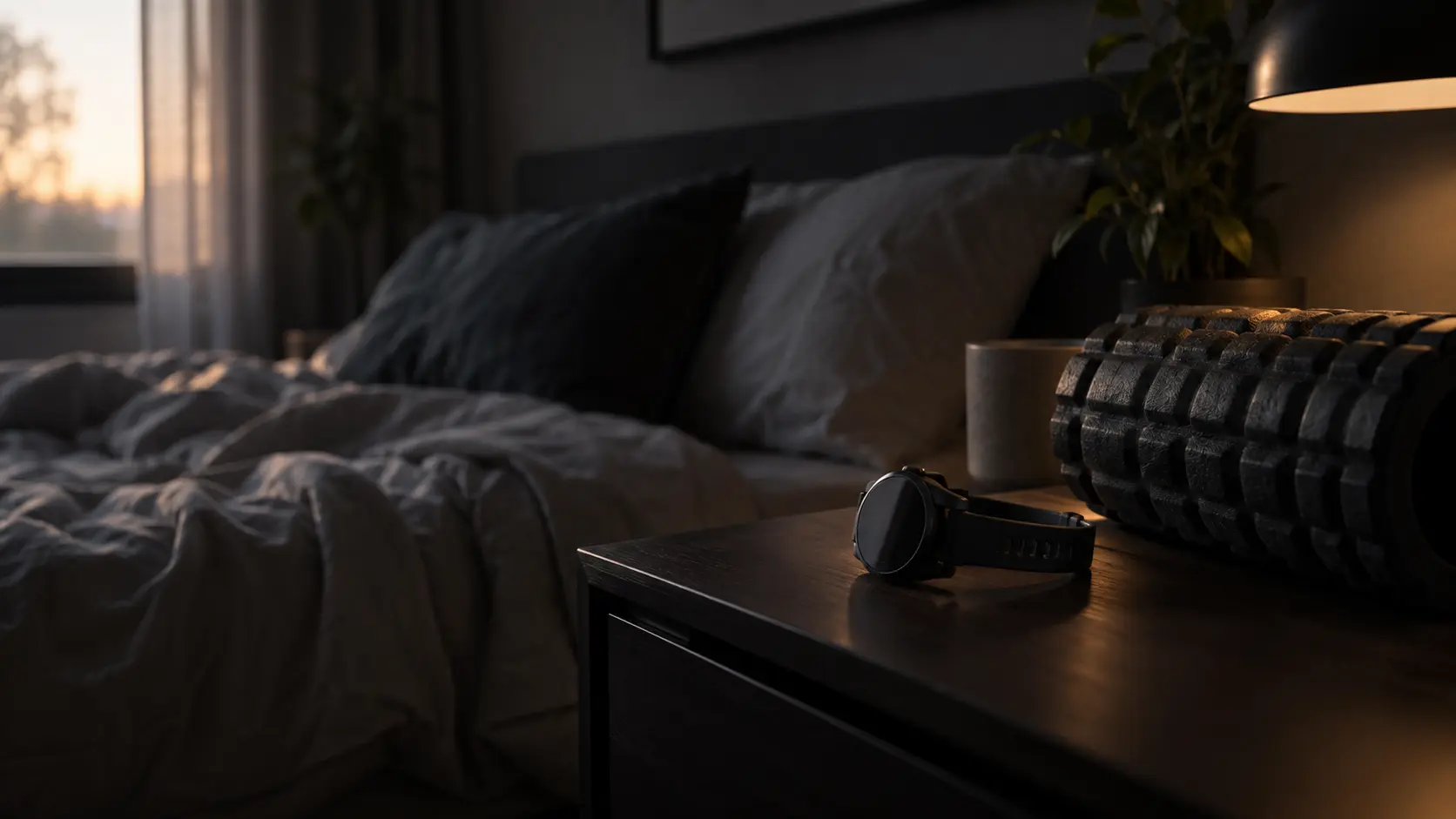
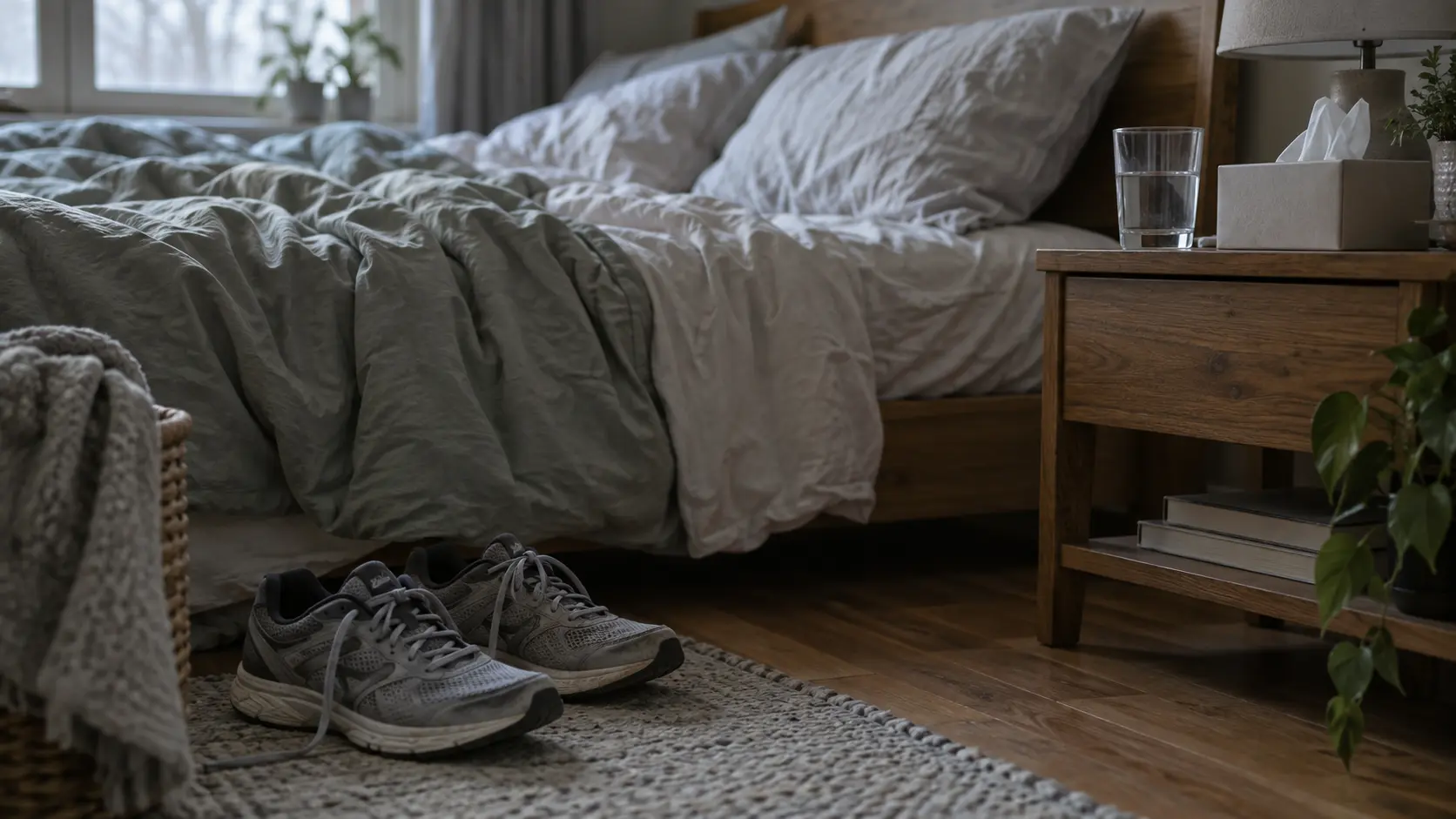
Sleep for athletes improves in a cool, dark and quiet room. The consensus suggests a temperature of around 17 to 22°C. Blackout curtains, earplugs or a fan can make a large difference for little cost.
Keep your phone out of reach, and avoid using bright screens in bed. If you track your sleep with a watch, remember that consumer devices often misjudge sleep stages and wake time, and can make some people anxious about their numbers. Our roundup of fitness trackers covers the options, but how you feel matters more than the score.
4. Watch Caffeine, Alcohol and Late Meals
Caffeine helps many athletes train, but it is one of the easiest ways to hurt sleep for athletes. The consensus cites research where 1 to 2 double espressos taken up to 16 hours before bed lengthened the time to fall asleep and reduced total sleep. Effects vary by person, so test what works for you.
A simple rule is to stop caffeine in the early afternoon, and keep alcohol and heavy meals away from bedtime. For fueling that supports both training and sleep, see our guide on nutrition.
5. Use Short Naps Wisely
Naps are a useful tool for sleep for athletes when a night is short, but they can also hurt your night sleep if you overdo them. The consensus suggests that naps of 20 to 30 minutes can improve sprint performance and jump velocity, and that naps should stay under 30 minutes to avoid grogginess.
Try napping between about 1 pm and 4 pm, and set your alarm a few minutes longer than the nap to allow for falling asleep. If you struggle to fall asleep at night, skip naps for a while.
6. Plan Training and Travel Around Sleep
Training schedule shapes sleep for athletes. The consensus notes that very early training before 8 am and late competition after 6 pm are linked to worse sleep. When possible, avoid stacking hard sessions at the extreme ends of the day.
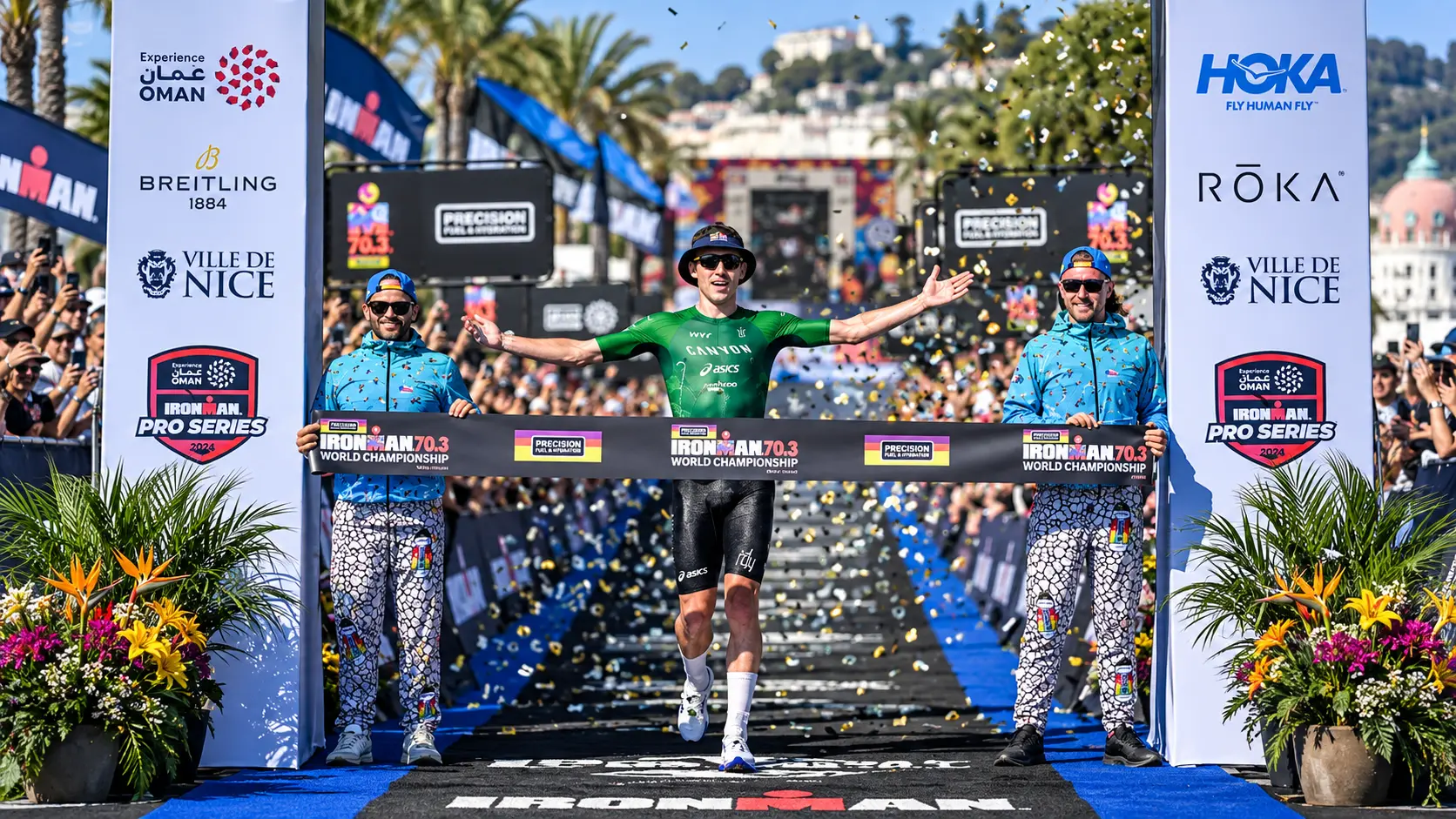
Travel across time zones takes time to adjust to, roughly one day per time zone crossed. If you are heading to a race, arrive early and keep your routine. Our article on IRONMAN 70.3 Worlds training lessons shows how race-week details add up.
Sample Evening Routine for Better Sleep
The table below shows a simple evening routine built around a bedtime of 10:30 pm. Shift the times to fit your own schedule, and change only one thing at a time.
| Time | Action | Why |
|---|---|---|
| 6:30 pm | Finish your hardest training session | Gives your body time to calm down |
| 8:00 pm | Eat dinner, keep it light and balanced | Avoids a heavy meal near bedtime |
| 9:30 pm | Dim lights, put screens away | Starts the wind-down |
| 10:00 pm | Stretch, read or take a warm shower | Relaxes body and mind |
| 10:30 pm | Lights out in a cool, dark room | Protects your sleep window |
If you also run or lift late in the day, keep the last hour before bed calm. Our guide to cold plunge for hybrid athletes explains why recovery tools do not replace sleep.
Signs You Are Not Getting Enough Sleep
Poor sleep for athletes rarely announces itself clearly. It tends to show up as a pattern, so look for several of these signs together, not just one bad day.
- Persistent tiredness: you feel flat even after easy days.
- Stalled performance: lifts and paces stop improving. See our guide on the training plateau.
- Mood changes: irritability, low motivation or poor focus.
- Frequent illness: getting sick more often than usual.
- Heavy caffeine reliance: you need more coffee just to function.
If these signs stay for weeks, consider a short deload as well. Our article on the deload week for runners and lifters explains how to cut load while your sleep catches up.
Common Sleep for Athletes Mistakes
Most sleep problems come from small habits that add up. These are the mistakes we see most often.
- Treating sleep as optional. Cutting sleep to fit in a workout usually backfires.
- Late caffeine. An afternoon coffee can still affect your night.
- Irregular schedules. Sleeping in on weekends can disrupt your rhythm.
- Relying on gadgets. Watch data can misjudge sleep, so combine it with how you feel.
- Training sick or exhausted. If you are unwell, follow our guide on training when sick.
⚠️ Common Mistake
Cutting sleep to squeeze in an early run or lift. A tired session is usually worse than an extra hour of sleep, and it adds stress to your recovery.
Making Sleep Part of Your Training Plan
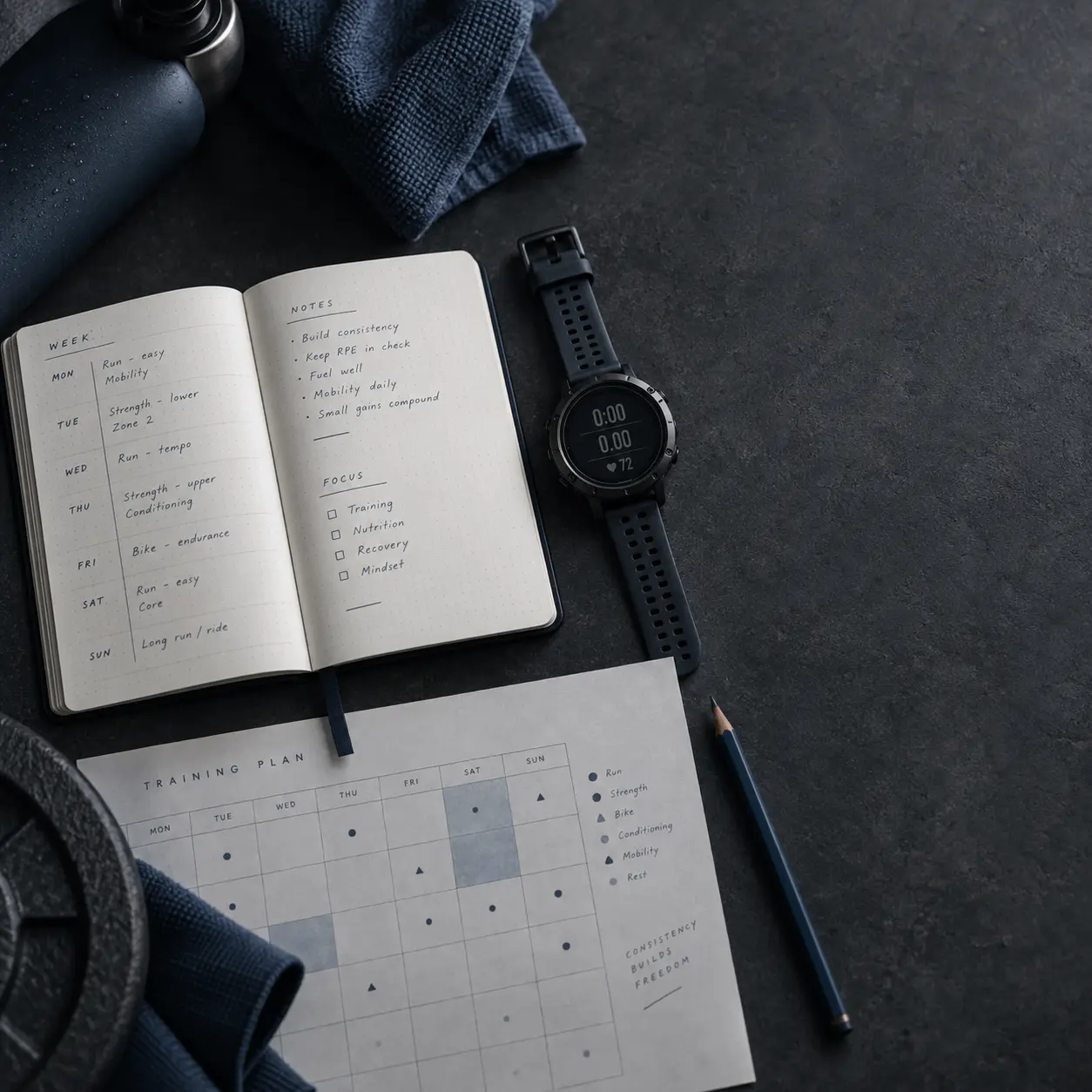
Sleep for athletes works best when you treat it like a session. Put your bedtime in your calendar, track how you feel, and do a quick sleep for athletes review every few weeks. If one habit changes your mornings, keep it.
If you also mix lifting and cardio, our guide to strength training and cardio together explains how to share recovery between both. For more recovery ideas, browse the Recovery & Injury Prevention category.
For the research behind these rules, see the 2021 expert consensus on sleep and the athlete and the 2020 systematic review on sleep extension in athletes.
Quick Action Plan
Use this five-step plan to improve sleep for athletes without overhauling your life.
- Pick a fixed lights-out time that gives you at least seven hours.
- Add a 20-minute wind-down routine with dim lights and no screens.
- Cut caffeine after early afternoon and keep late meals light.
- Make your bedroom cool, dark and quiet.
- Track how you feel for two weeks and adjust one habit at a time.
FAQ
How many hours of sleep do athletes need?
General adult guidance is 7 to 9 hours per night, and athletes may need more depending on training load. The best target is individual. If you wake rested and train well, you are probably close.
Does sleep help muscle recovery?
Sleep for athletes is a key part of recovery, though the exact effects vary. Better sleep is linked with improved mood, reaction time and training quality in studies, so it supports your sessions, even if it is not a magic fix.
Are naps good for athletes?
Short naps of 20 to 30 minutes can help, especially after a poor night. Keep them under 30 minutes and early enough in the afternoon so they do not cost you night sleep.
Should I stop caffeine to sleep better?
Not necessarily. Many athletes do well by limiting caffeine to the morning and early afternoon. If you struggle to fall asleep, try an earlier cutoff and see if it helps.
When should I see a doctor about my sleep?
If you regularly struggle to fall asleep, wake often, snore loudly or feel exhausted despite enough time in bed, speak with a doctor or sleep specialist. Do not rely on supplements or gadgets to fix a persistent problem.


Leave a Reply