






⚡ Quick Answer — Cycling for Lifters
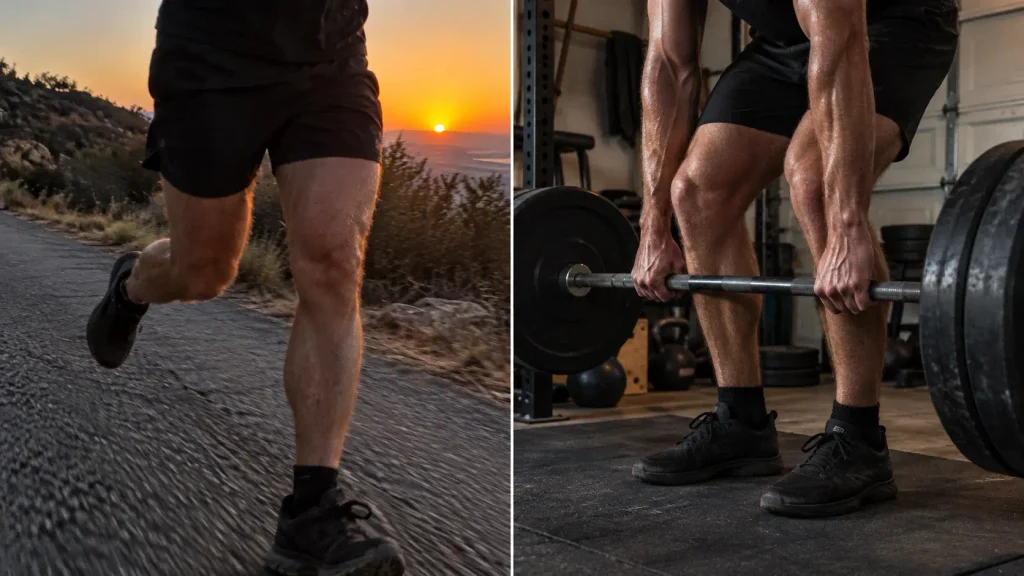
Cycling for lifters works best as two or three easy rides per week, kept away from your hardest leg session. Research suggests the bike interferes with strength and muscle growth less than running does, which makes it a smart way to build aerobic fitness without giving up your gains.
You want a stronger engine, but every time you add cardio your squat seems to stall. Cycling for lifters is one of the easiest ways to break that pattern, because the bike builds endurance with far less pounding and muscle damage than running.
We reviewed two sources for this guide: a 2012 meta-analysis covering 21 studies and a 2022 meta-analysis covering 15 studies on concurrent training. Both point in the same direction, and this article turns them into five practical steps you can start this week.
What Is Cycling for Lifters?
Before building a plan, it helps to define the approach clearly, because it is not the same as training for a cycling race.
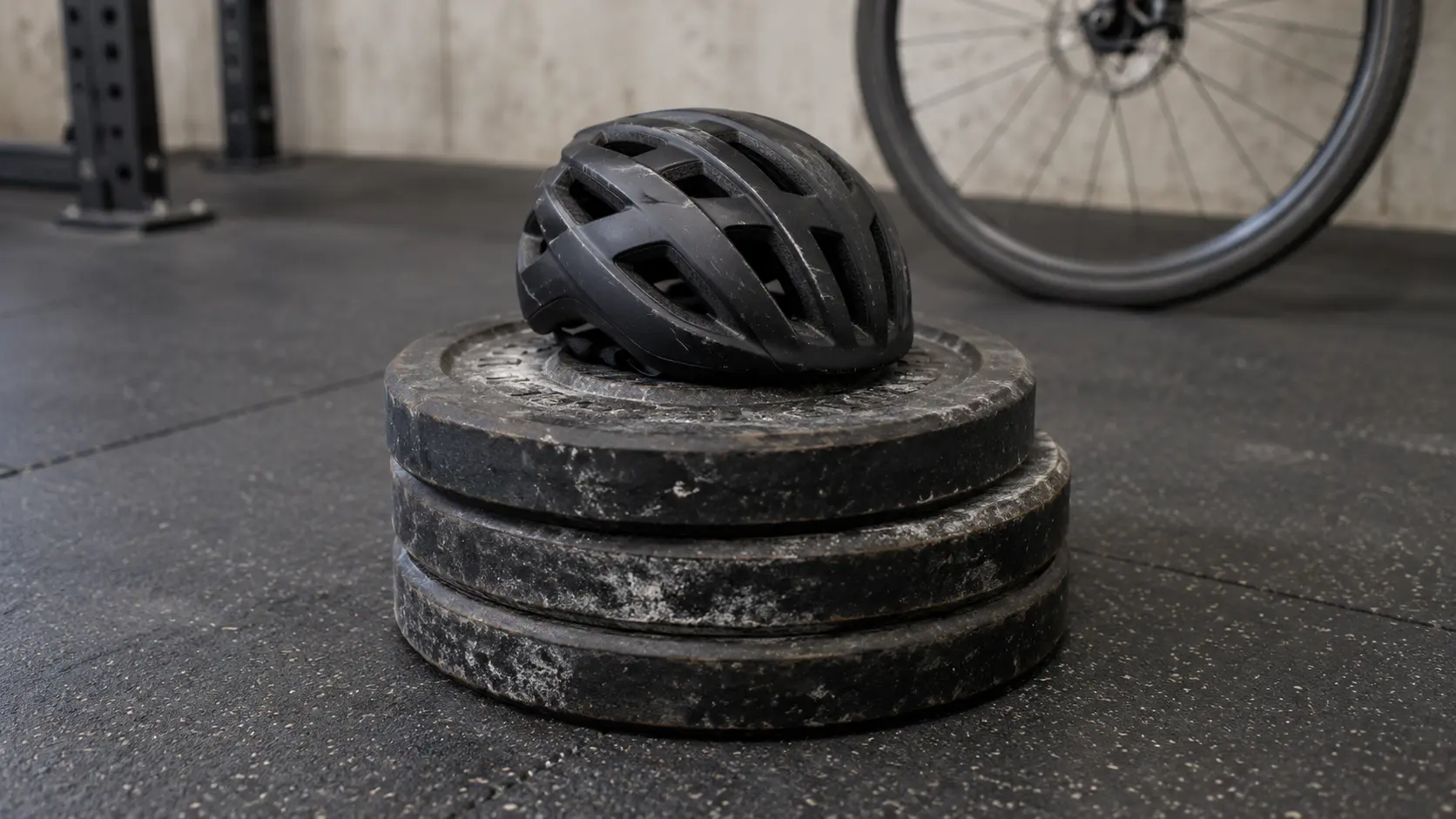
Cycling for lifters is a training approach where strength athletes use easy to moderate bike sessions, usually two to three per week, to build aerobic fitness and improve recovery while protecting their lifting performance. The bike replaces or supplements running because it is low impact and generally interferes less with muscle growth.
In practice, cycling for lifters means the barbell stays the priority. The bike is a support tool: it raises your aerobic base, helps you recover between heavy days, and gives your joints a break from running impact.
💡 Training Tip
Treat the bike like an accessory lift. If a ride leaves your legs too tired for your next squat or deadlift session, it was too hard or too long for your current phase.
Why the Bike Fits Strength Training So Well
Cycling for lifters rests on a simple idea. Concurrent training, which means doing endurance and strength work in the same program, has a reputation for “interference”. The idea is that endurance signals can blunt the signals that tell muscle to grow. The research is more nuanced than the reputation, and the type of cardio matters.
A 2012 meta-analysis by Wilson and colleagues in the Journal of Strength and Conditioning Research pooled 21 studies. It reported that combining resistance training with running, but not cycling, was linked to significant decrements in hypertrophy and strength. The authors concluded that interference depends on the modality, frequency, and duration of the endurance work.
A 2022 systematic review in Sports Medicine looked at muscle fiber growth across 15 studies. Concurrent training showed a small, borderline negative effect on fiber size overall. The negative effect appeared in the running subgroup, specifically for type I fibers, and not in the cycling subgroup.
The authors are careful here. The running subgroup rested on only three studies, compared with twelve for cycling, and the difference between groups was not statistically significant. So the fair reading is that cycling looks at least as friendly to muscle as running, and possibly friendlier, but the evidence is still preliminary.
🚨 Important
These findings come from group averages in studies, not from your individual response. Your volume, sleep, food intake, and training history change the outcome. Adjust based on how you actually perform and recover, and talk to a qualified professional if you have a heart or joint condition before increasing cardio.
There is also a practical argument that has nothing to do with muscle signaling. Cycling is concentric dominant, so it produces less muscle soreness than running, which involves repeated landing forces. Less soreness usually means you arrive at your next lifting session fresher.
5 Smart Ways to Add Cycling for Lifters
The five steps below are ordered from the foundation upward. Most people should master the first two before adding intervals in step three.
1. Build the Base With Easy Rides
Start with steady rides at a conversational effort, often called Zone 2. You should be able to speak in full sentences while pedaling. Begin with 30 to 40 minutes, two times per week, and add five to ten minutes only when the rides feel almost too easy.
This is where cycling for lifters pays off most. Easy aerobic work improves your ability to recover between sets and between sessions without adding much fatigue. Our guide to Zone 2 training for hybrid athletes explains how to find your effort level without a lab test.
2. Place Rides Around Your Lifting, Not On Top of It
Scheduling is the biggest lever you control in cycling for lifters. Put rides on upper body days, on rest days, or at least six hours away from heavy leg training. If you must combine them, lift first and ride second, so your strength work gets your freshest legs.
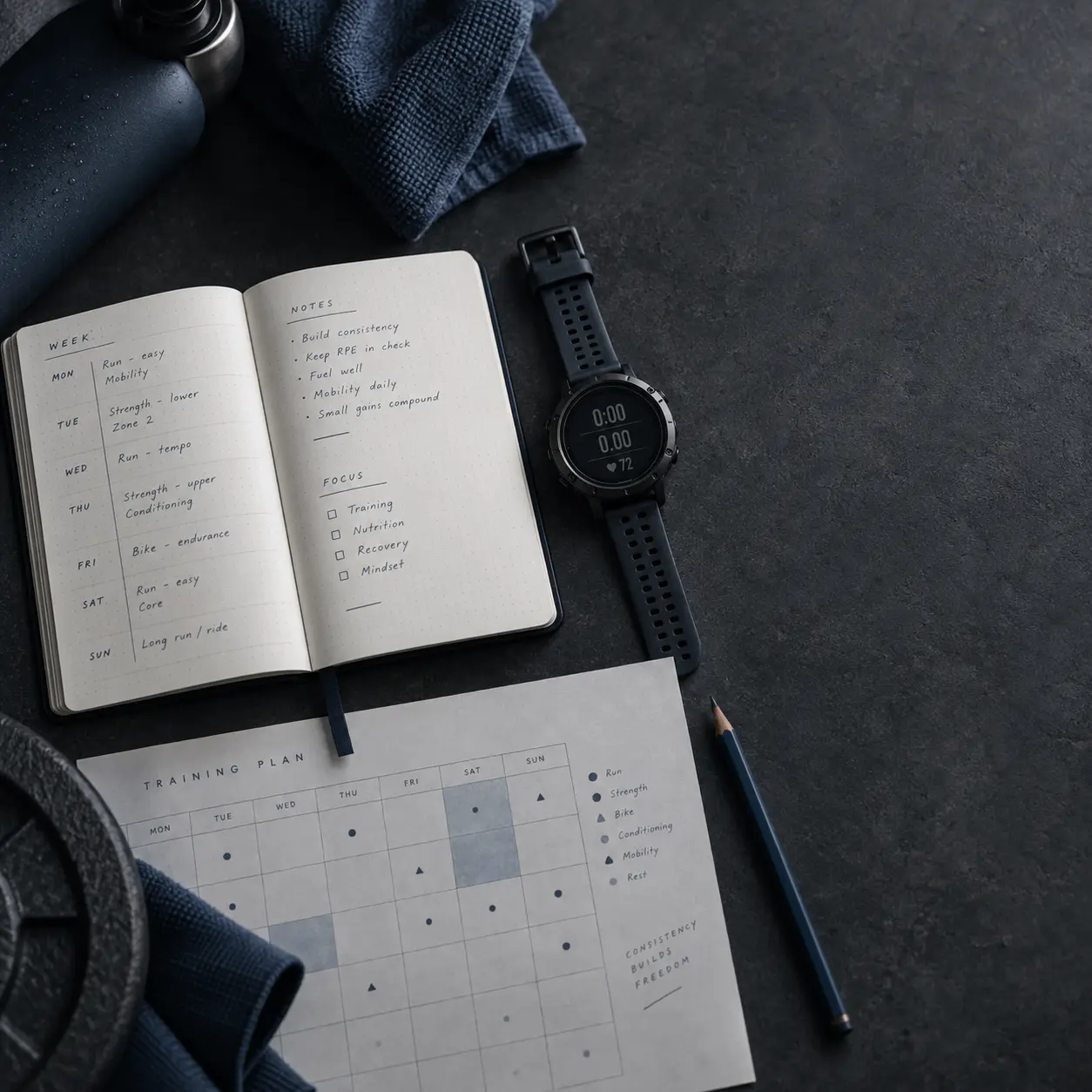
Cycling for lifters becomes much easier to manage when each week has a clear map. The sample table below shows one way to place it, and you can read more about timing in our rules for combining strength training and cardio.
| Day | Lifting | Bike | Effort |
|---|---|---|---|
| Monday | Lower body strength | None | Rest from cardio |
| Tuesday | Upper body | 35 min easy ride | Conversational |
| Wednesday | None | None | Full rest or walk |
| Thursday | Lower body volume | None | Rest from cardio |
| Friday | Upper body | 5 x 3 min harder intervals | Hard but controlled |
| Saturday | None | 50 min steady ride | Easy to moderate |
| Sunday | None | None | Rest |
The numbers above are an example, not a prescription. Scale the durations to your current fitness and adjust the lifting days to match your own split.
3. Add One Short Interval Session
Once the base feels comfortable for three or four weeks, add a single interval session. Try four to six efforts of two to three minutes at a hard but controlled pace, with equal rest in between. Keep it to one session per week.
Intervals build top-end aerobic power in less time, which makes cycling for lifters efficient for busy schedules. They also cost more recovery, so protect your lower body sessions. If your squat numbers drop for two weeks in a row, remove the intervals and return to easy rides. Intervals can also help when progress stalls, as covered in our guide to breaking through a training plateau.
4. Keep Resistance Moderate and Cadence Smooth
Many strong people make a quiet mistake: they grind a big gear at low cadence because it feels like lifting. That turns every ride into a leg workout and eats the recovery you wanted to protect.
Aim for a smooth cadence, often somewhere around 80 to 95 revolutions per minute for easy rides, and keep the effort aerobic. This cadence range is a common coaching guideline rather than a fixed rule, so adjust it to what feels natural. Cycling for lifters should feel like a recovery tool, not a second leg day.
5. Fuel the Rides and Track the Response
More activity needs more food, and cycling for lifters is no exception. Add a carbohydrate-rich meal or snack around longer rides, and keep protein consistent so your lifting does not suffer. Our guide to nutrition for hybrid athletes breaks down how to set your macros when volume rises.
Then track what happens. Log your lifts, your morning energy, and your sleep for four weeks. A simple tracker or watch is enough, and our picks of the best fitness trackers for hybrid athletes can help you choose one. If your lifts hold steady and you feel good, you can add a little more bike volume.
How Cycling Compares With Running for Strength Athletes
Many lifters ask whether cycling for lifters beats simply running instead. Both work, but they ask different things from your body. The table below summarizes the main differences in plain terms.
| Factor | Cycling | Running |
|---|---|---|
| Joint impact | Low | Higher |
| Muscle soreness | Usually mild | Often more noticeable |
| Interference with lifting | Appears lower in studies | Appears higher in studies |
| Equipment needed | Bike or trainer | Shoes |
| Best use | Base building and recovery | Race preparation |
If your goal is a race, running still matters, and you can learn how to handle both in our guide to running after leg day. If your goal is mainly to stay strong while building a bigger aerobic base, the bike is usually the easier choice.
Signs Your Bike Volume Is Too High
More cardio is not always better, and the warning signs usually show up in the gym first. Watch for a pattern across several sessions rather than reacting to one bad day.
- Your working weights drop or feel unusually heavy for two weeks or more.
- Your resting heart rate stays higher than normal on waking.
- Sleep gets worse even though you are tired.
- Your legs feel heavy or sore on easy rides.
- Your motivation to train falls noticeably.
When two or more of these appear together, cut bike volume by about a third for a week and keep your lifting steady. Our guide to recovery for hybrid athletes covers what else to adjust.

Common Mistakes With Cycling for Lifters
Most problems with cycling for lifters come from enthusiasm rather than ignorance. These are the errors that appear most often when strength athletes start riding.
- Riding too hard, too often. Easy rides should be easy. Turning every session into a race wipes out recovery.
- Doing hard rides before heavy squats. Tired legs lift less and risk poor form.
- Adding too much volume at once. Increase weekly ride time gradually, by about 10 to 15 percent.
- Ignoring bike fit. A poor saddle height or position can cause knee or back discomfort.
- Skipping the extra food. Under-eating while adding rides slows both progress and recovery.
⚠️ Common Mistake
Replacing a rest day with a hard ride because it feels low impact. The bike is gentler on joints, but your nervous system and muscles still need genuine recovery days.
Where to Go Next
Once your cycling for lifters routine is stable, you can expand it into a full block. Our 12-week hybrid training plan shows how to progress both lifting and endurance, and the minimum effective dose for strength training helps if time is limited.
If you enjoy combining disciplines, you will also like our brick workout sessions, and the category page for Training Programs collects more plans in one place.
For deeper reading, see the full 2022 Sports Medicine meta-analysis on concurrent training and muscle fiber hypertrophy and the record for the 2012 meta-analysis on interference between aerobic and resistance exercise.
Quick Action Plan
Use this short checklist to start cycling for lifters over the next four weeks.
- Pick two non-leg days and schedule a 30 to 40 minute easy ride on each.
- Keep the effort conversational and the cadence smooth for the first three weeks.
- Add five to ten minutes to one ride per week, only if your lifts feel stable.
- In week four, add a single short interval session on an upper body day.
- Eat extra carbohydrates around longer rides and keep protein steady.
- Log your lifts, sleep, and energy, then cut bike volume by a third if they decline.
FAQ
Is cycling for lifters a good idea?
Yes, for most people. It builds aerobic fitness with low joint impact, and studies suggest it interferes with strength and muscle growth less than running. Keep rides mostly easy and away from your hardest leg sessions.
How often should lifters cycle per week?
Two to three rides per week is a sensible starting point for most lifters. Begin with two easy sessions and add a third or a short interval session only after your lifting feels stable for several weeks.
Does cycling kill gains?
Not in a way that should worry most people. The research suggests any interference is modest and appears smaller with cycling than with running. Eating enough and managing volume matter more than avoiding the bike.
Should I cycle before or after lifting?
If both happen on the same day, lift first and ride afterward so your strength work gets your freshest legs. A separate session, ideally six or more hours later, is even better when your schedule allows.
Is indoor or outdoor cycling better for lifters?
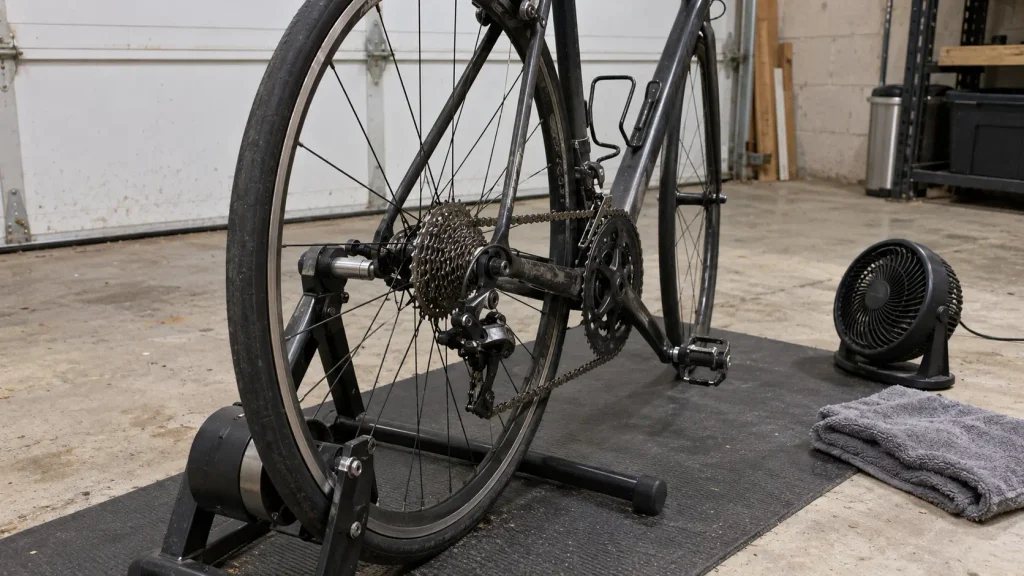
Both work. Indoor trainers make it easier to control effort and avoid traffic, while outdoor rides add variety. Choose whichever you will do consistently, and keep the effort easy on both.





Leave a Reply