






⚡ Quick Answer — Heat Acclimation Training
Heat acclimation training means exercising in hot conditions on a regular basis so your body gets better at sweating, cooling and coping with heat. Most guidelines point to roughly two weeks of repeated sessions before a hot event, built up gradually and with careful hydration. Below are five essential rules to do it safely.
You trained for months in cool weather, then the race forecast says 30°C. Pace falls apart, your heart rate climbs and the last few kilometers feel twice as long. Heat acclimation training is the planned way to avoid that surprise, and it works best when you start before the heat arrives.
We reviewed two sources, the International Olympic Committee consensus statement on sport events in the heat and a 2019 review in the journal Temperature on applying heat acclimation, and turned them into five rules you can use. Much of the research comes from lab studies, so we kept the advice cautious and practical.
What Is Heat Acclimation Training?
Heat acclimation training is a structured block of exercise or heat exposure designed to help your body adapt to hot conditions. Over days and weeks, you sweat earlier, cool more efficiently and keep your heart rate lower at the same effort, which can make hot-weather racing and training feel more manageable.
Heat acclimation training is the deliberate repetition of exercise in hot conditions over one to two weeks or more to help the body adapt. Typical adaptations include earlier sweating, better heat dissipation and a lower heart rate at a given effort, which helps athletes handle hot races and training more comfortably.
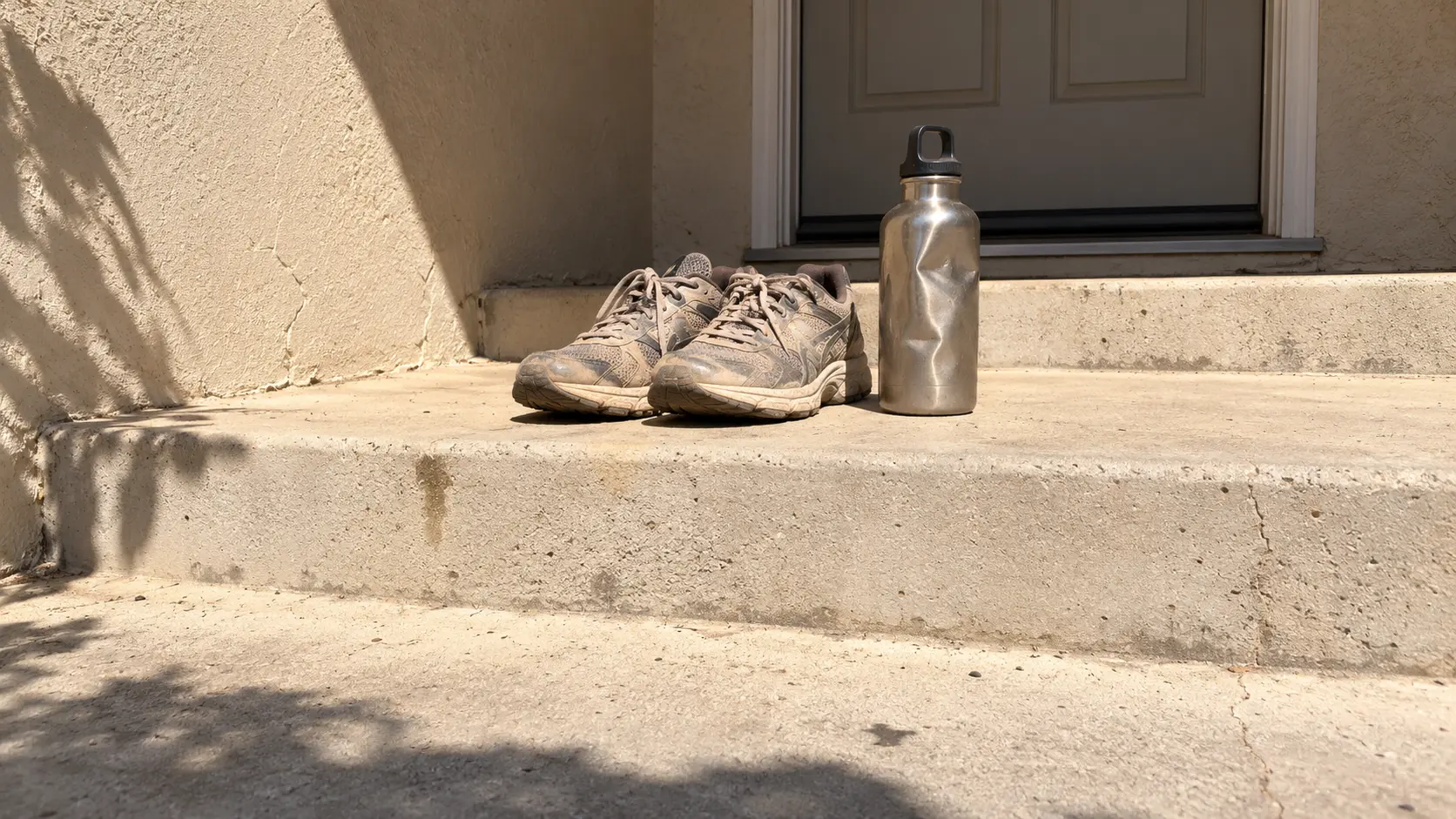
You can do it outdoors in warm weather, in a heated room, or with passive methods such as hot baths after training. The method matters less than the dose and the care you take. Done badly, heat training is a safety risk, not a fitness tool.
💡 Training Tip
Heat acclimation training works best when you plan it ahead of your event. Marking a start date in your calendar, about three to four weeks out, gives you room to build up and to back off if you feel unwell.
Why Heat Acclimation Training Matters for Endurance Athletes
Heat makes every session harder. Your body sends blood to the skin to cool you down, which leaves less for your working muscles, and sweat loss adds to the strain. A sensible block of heat acclimation training helps the body handle that load more efficiently.
The IOC consensus statement, published in the British Journal of Sports Medicine, recommends that athletes acclimate before competing in hot conditions. It describes the best method as training in an environment similar to the event, and notes that overdressed training and passive heat exposure can be alternatives if they raise body temperature enough to cause heavy sweating. It suggests 60 to 90 minutes per day for at least two weeks as the optimal dose, with shorter or different durations still able to produce useful adaptations.
The 2019 review in Temperature adds practical timing advice. It suggests finishing acclimation one to three weeks before competition so it does not clash with the taper, and limiting the loss of adaptation with occasional heat exposure or a few consecutive heat sessions just before the event. The abstract does not give full session details, so use these as guidelines, not strict rules.
🚨 Important
Heat training raises core temperature and cardiovascular strain on purpose. Start conservatively and stop any session if you feel dizzy, nauseous or unusually unwell. If you have a medical condition or take medication, speak with a doctor first.
5 Essential Rules for Heat Acclimation Training
These five rules cover timing, build-up, intensity, hydration and safety. They fit into any plan, including our 12-week hybrid training plan, as long as you leave enough recovery around the hot sessions.
1. Start Two to Four Weeks Before Your Event
Adaptation takes repeated exposure, so a single hot session the week before a race will not help much. The IOC statement suggests at least two weeks of regular sessions, and starting about a month early if you cannot fit two weeks right before the event.
Aim to finish your main block a week or two before race day, then keep a couple of short heat sessions going. That approach matches the advice in the 2019 review and keeps your taper intact. A hot race at the end of a hard training block is a good time to rehearse this timing.
2. Build Up Gradually, Do Not Jump to Full Doses
The research dose of 60 to 90 minutes per day describes an optimal target for conditioned athletes under supervision. Most people should start much shorter, around 20 to 30 minutes of easy exercise in the heat, and add a few minutes each session.
Four sessions per week is a common minimum cited for building acclimation, according to the IOC statement. If you are new to heat, start with two or three and see how your body responds. Our guide on the IRONMAN 70.3 Worlds training lessons shows how hot-weather racing exposes gaps in preparation.
3. Keep the Effort Easy to Moderate
Heat is already a big stressor, so you do not need to make the session hard as well. Easy, steady running or cycling at a conversational effort is usually enough to raise your body temperature and get you sweating.
If you are not sure how to find that effort, our guide to Zone 2 training explains it. Your heart rate will drift higher in the heat, so go by feel and by perceived effort, not by your normal pace targets. Save hard intervals for cooler days.
4. Hydrate and Track Your Body Weight
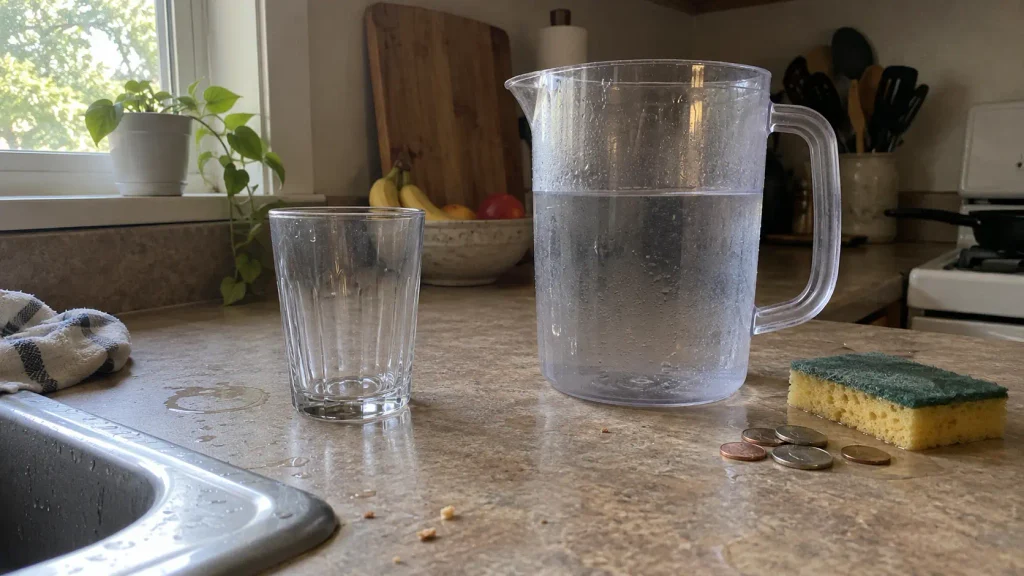
Sweat loss can add up quickly in heat training. The IOC statement advises avoiding body mass loss above about 2% during heavy heat sessions, and suggests monitoring daily body weight changes and urine color.
A simple routine works well. Weigh yourself in the morning, drink steadily before and during the session, and replace fluids and salt afterwards. For wider fueling guidance, read our article on nutrition, and use the recovery rules to space sessions properly.
5. Maintain Safely and Skip Sessions When Unwell
Once you have adapted, two sessions per week help maintain the benefits, based on the IOC statement. Adaptations fade if you stop, so plan a few short exposures before your event.
Never do heat training when you are ill, especially with a stomach bug or fever. The IOC statement lists recent illness, particularly diarrhoea, as a major risk factor in the heat. Our guide on training when sick covers when to hold back.
Heat Acclimation Training Methods Compared
There is more than one way to expose your body to heat. Each method has its own trade-offs, so choose the one that fits your climate, your time and your comfort level.
- Training outdoors in warm weather: the most specific option, and often the easiest, but you are limited by the season and the time of day.
- Training in a warm room or with extra clothing: useful when it is cool outside, but easy to overdo, so keep the sessions short and the effort low.
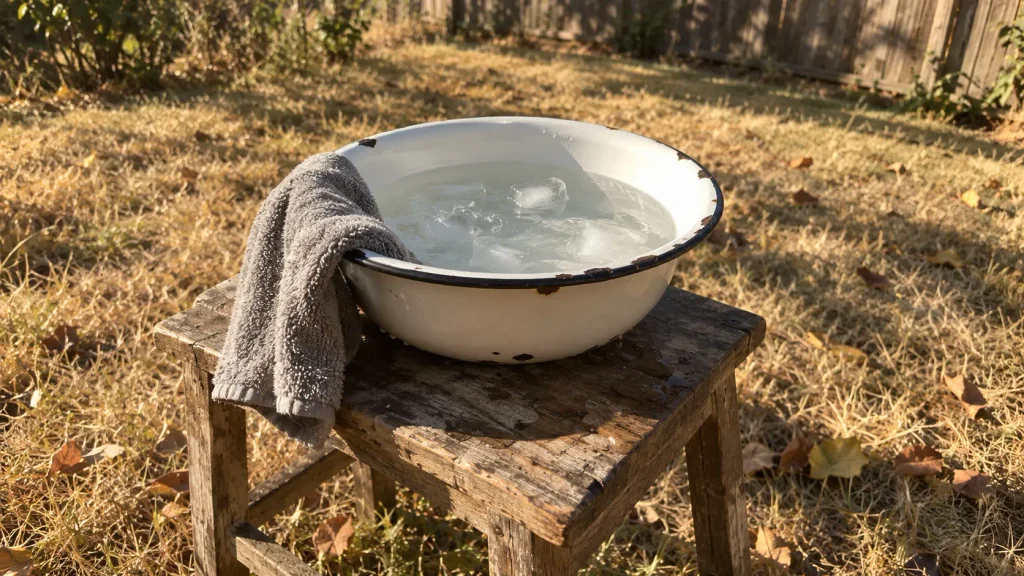
- Passive heat after training: hot baths or sauna sessions after a workout, which add heat stress without extra exercise load.
- Heat chambers: controlled and consistent, but they are less accessible and need good supervision.
The IOC statement notes that overdressing and passive exposure can work if they raise skin and core temperature enough to produce heavy sweating. They are alternatives, not magic fixes, and the same safety rules apply.
Sample Two-Week Heat Acclimation Training Plan
The plan below is an example for a healthy, trained athlete preparing for a hot event. Treat it as a template, scale it to your fitness and stop if you feel unwell.
| Week | Heat Sessions | Duration | Effort | Focus |
|---|---|---|---|---|
| Week 1 | 3 per week | 20–40 min | Easy | Get used to the heat |
| Week 2 | 4 per week | 40–60 min | Easy to moderate | Build tolerance |
| Event week | 1–2 short sessions | 20–30 min | Easy | Maintain adaptation |
Keep your other sessions easy during this block, and avoid stacking heat training with heavy leg days. If you also lift, our guide to strength training and cardio together explains how to share recovery between both.
Warning Signs of Heat Illness
Knowing the warning signs is part of any heat acclimation training plan. Stop exercising and cool down if you notice any of the following, and seek medical help if symptoms are severe or do not settle.
- Dizziness or lightheadedness: especially when standing or slowing down.
- Nausea or vomiting: a sign your body is struggling to cope.
- Headache or confusion: never ignore changes in thinking or coordination.
- Stopping sweating or very hot, dry skin: a serious warning sign.
- Cramps or extreme fatigue: these can signal fluid and salt loss.
If you track your data, a watch can show heart rate drift and sleep quality in the days after hot sessions. Our roundup of fitness trackers compares options, though your own symptoms always matter more than the numbers.
Common Heat Acclimation Training Mistakes
Most problems with heat training come from doing too much too soon or from ignoring hydration. These are the mistakes we see most often.
- Doing long, hard sessions on day one. Your body needs time to adapt, so build up slowly.
- Starting too late. A few days before the event is not enough for meaningful adaptation.
- Ignoring hydration. Heavy sweat loss without replacement makes sessions harder and riskier.
- Training in the heat while ill. Illness plus heat is a poor combination.
- Stopping completely before the event. A few short maintenance sessions help keep the adaptations.
⚠️ Common Mistake
Using heat acclimation training as a way to get fitter, not just hotter-ready. Heat adds stress, so keep the effort easy and let the heat do the work.
Putting Heat Acclimation Training Into Your Plan
Heat acclimation training is a short-term project, not a permanent part of your week. Pick your event, count back a few weeks, and add a few heat sessions to your easy days. After the event, you can drop back to normal training.
For more structure around your training blocks, browse our Training Programs category. If you are planning to taper for the event, our article on the deload week for runners and lifters explains how to cut load without losing fitness.
For the research behind these rules, see the IOC consensus statement on sport events in the heat and the 2019 review on applying heat acclimation recommendations.
Quick Action Plan
Use this five-step plan to start heat acclimation training without taking unnecessary risks.
- Count back two to four weeks from your event and mark your start date.
- Begin with short, easy sessions in the heat, around 20 to 30 minutes.
- Add a few minutes each session, building toward longer sessions over two weeks.
- Weigh yourself, drink steadily and stop if you feel dizzy, nauseous or unwell.
- Keep two short heat sessions going in the final week to maintain your adaptation.
FAQ
How long does heat acclimation training take?
Many guidelines suggest around two weeks of regular sessions. Some adaptations appear within a few days, while more complete ones take longer. If you only have a short time, even a few sessions can help, but do not expect the full effect.
How often should I do heat acclimation training?
The IOC statement suggests at least four sessions per week to build acclimation, and about two per week to maintain it. Beginners can start with two or three sessions and build up as their tolerance improves.
Do I need a sauna or heat chamber?
No. Training outdoors in warm weather works well, and passive heat such as a hot bath after exercise can add extra exposure. Heat chambers are useful but not required for most athletes.
Will heat acclimation training make me faster?
It is designed to help you perform better in hot conditions, not in cool ones. Research suggests it can improve comfort and performance in the heat, but results vary, so treat it as preparation for a hot event, not a general speed tool.
Is heat acclimation training safe for everyone?
No. Heat adds real strain to the body. Anyone with health concerns, heart or blood pressure conditions, or who takes certain medications should speak with a doctor first, and everyone should stop if they feel unwell.







Leave a Reply