






⚡ Quick Answer — Meal Prep for Hybrid Athletes
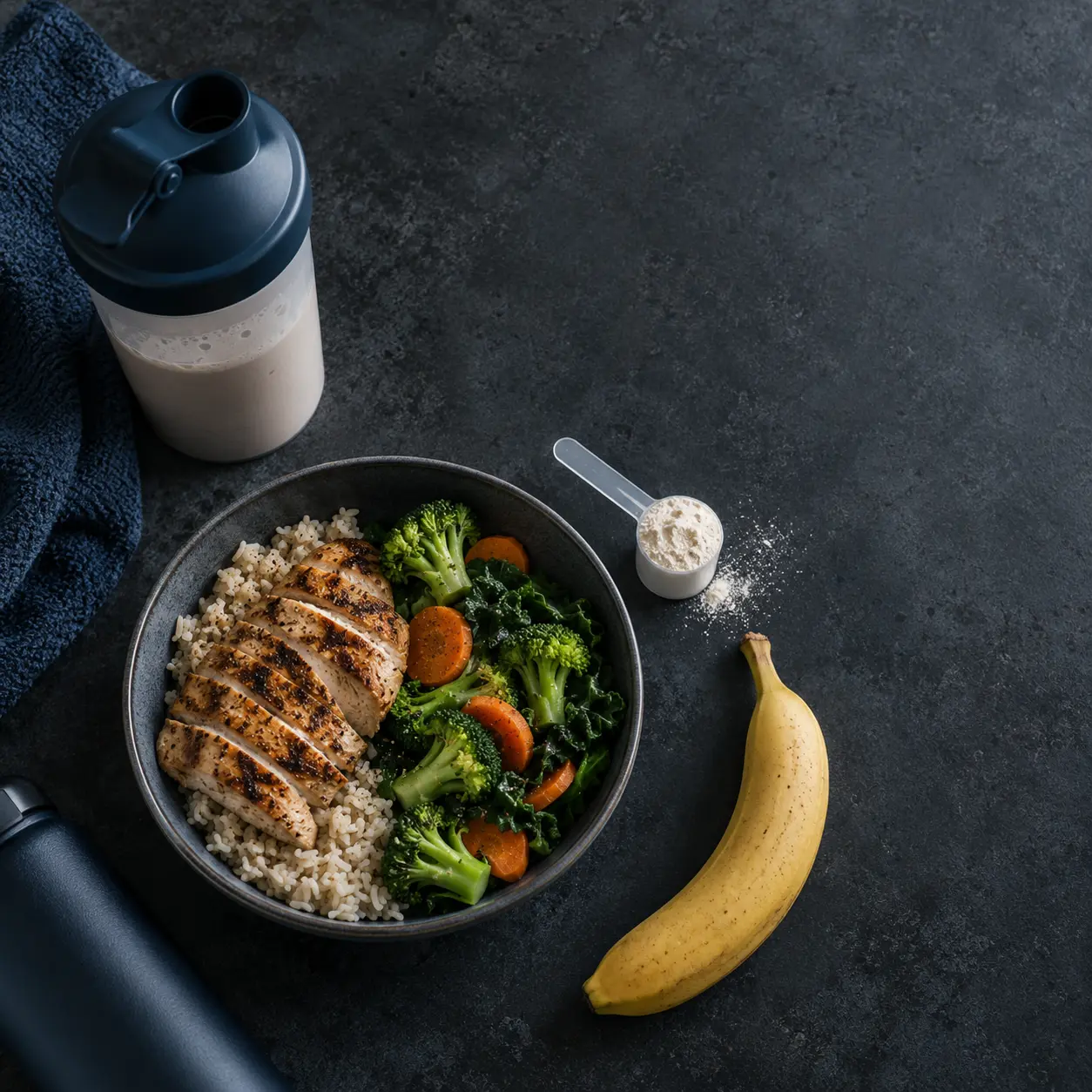
Meal prep for hybrid athletes works best when you cook components — a protein, a carb base, vegetables, and sauces — instead of full recipes, then portion them to reach 20–40 g of protein per meal. Cool food quickly in shallow containers, keep prepped meals in the fridge for no more than 3–4 days, and freeze the rest so a busy training week never leaves you under-fuelled.
Most hybrid athletes don’t miss their nutrition targets because they don’t know them. They miss them because Wednesday happens: a lifting session at lunch, a run in the evening, and nothing in the fridge except condiments.
We went through the International Society of Sports Nutrition’s protein guidance and the USDA’s leftover-safety rules to build a meal prep for hybrid athletes system that covers both sides of the plate: enough protein and carbohydrate for two kinds of training, and food that is still safe to eat on day four. Here is the practical version.
How to Do Meal Prep for Hybrid Athletes in 5 Steps
Meal prep for hybrid athletes comes down to five steps, in this order:
- Set your targets. Work out your daily protein (roughly 1.6–2.2 g per kg of bodyweight) and a carbohydrate range that matches your training week.
- Split protein into feedings. Aim for 3–5 meals or snacks of about 20–40 g of protein each.
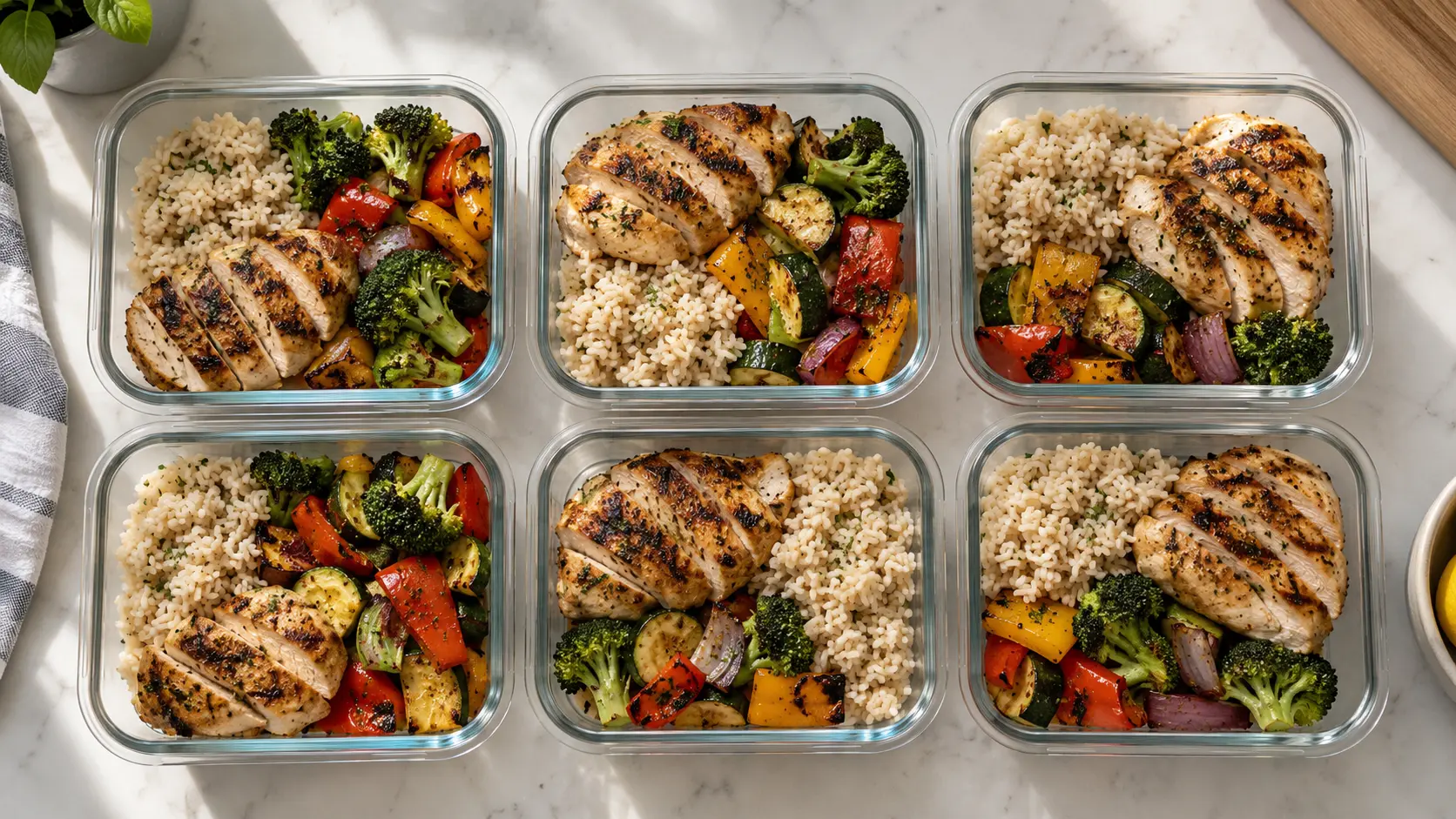
- Cook components, not recipes. Prepare one or two proteins, one or two carb bases, a couple of vegetables, and a few sauces.
- Portion and cool fast. Divide food into shallow containers and refrigerate it promptly.
- Prep twice, not once. Cook for 3–4 days at a time and freeze anything that will sit longer.
The sections below explain each step, and the places where meal prep for hybrid athletes most often goes wrong. Once the system is in place, meal prep for hybrid athletes takes far less time than most people expect.
Why Meal Prep for Hybrid Athletes Matters More Than for Single-Sport Athletes
Training strength and cardio together raises the bar on two nutrients at once. Lifting needs enough protein to repair and build muscle, while running, cycling, or rowing needs enough carbohydrate to fuel sessions and refill glycogen. Our guide to nutrition for hybrid athletes covers the exact ranges. The problem is rarely knowing them; it is hitting them every day.
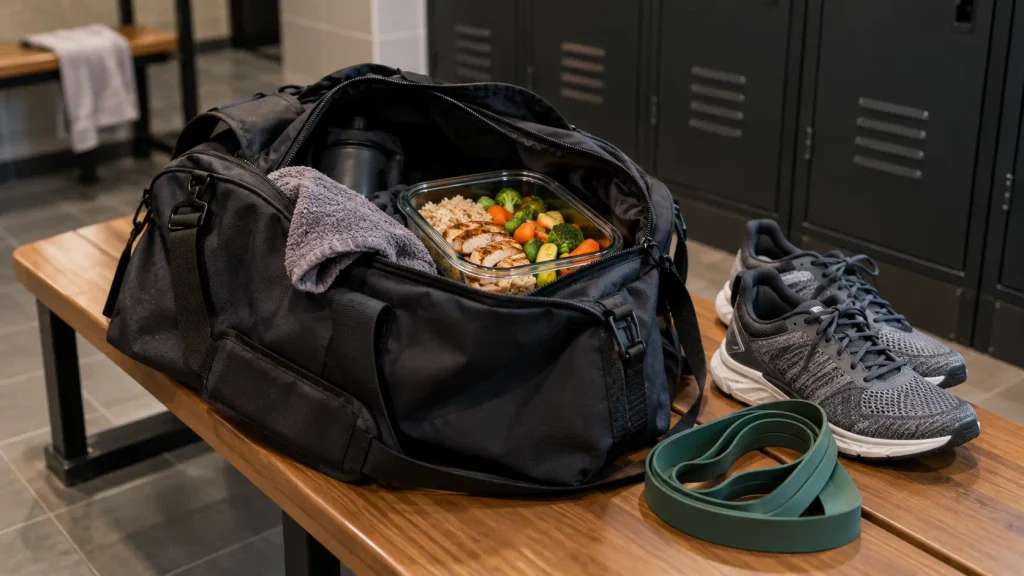
That is where meal prep for hybrid athletes earns its place. When food is already cooked and portioned, you do not have to decide what to eat between a lifting session and an evening run, and you are far less likely to fall back on whatever is fastest. Under-fuelling shows up as flat lifts, slower cardio paces, and worse recovery, which is exactly the pattern a prepared fridge helps prevent.
Meal prep for hybrid athletes also fits the way a hybrid week is built. Two or three hard sessions plus easy cardio leave limited time for cooking on the days you train most, so cooking on your lighter days and eating on your heavy ones is a natural rhythm.
💡 Training Tip
If you follow our 12-week hybrid training plan, prep your biggest carb portions for the days that contain your hard cardio or heavy lifting sessions, and keep the lighter days simpler.
Set Your Targets First: Protein per Meal for Hybrid Athletes
Before you cook anything, decide how much protein each meal needs to carry. The International Society of Sports Nutrition position stand on protein and exercise puts overall daily intake at 1.4–2.0 g per kg for most exercising people, and suggests roughly 0.25 g per kg, or an absolute 20–40 g, per serving, spread evenly across the day about every 3–4 hours.
For meal prep for hybrid athletes, the daily range matters more than any single meal. Hybrid athletes usually sit toward the upper end of it because they are recovering from two kinds of training. The table below uses 1.8 g per kg, the middle of the 1.6–2.2 range used across this site, split over four feedings. It is an illustration, not a prescription.
| Bodyweight | Daily protein at 1.8 g/kg | Per meal (4 feedings) |
|---|---|---|
| 60 kg (132 lb) | 108 g | ~27 g |
| 70 kg (154 lb) | 126 g | ~32 g |
| 80 kg (176 lb) | 144 g | ~36 g |
| 90 kg (198 lb) | 162 g | ~40 g |
To make that concrete, 100 g of cooked skinless chicken breast provides about 31 g of protein according to USDA food composition data. That means a portion of roughly 100–130 g cooked chicken covers most people’s per-meal target, with the rest coming from the carb base, vegetables, and other foods on the plate.
The Component Method for Meal Prep for Hybrid Athletes
Full recipes are the reason most plans for meal prep for hybrid athletes collapse: five identical containers of the same dish get boring by Thursday. The component method solves this by cooking building blocks and combining them differently each day.
| Component | Examples | Prep Notes |
|---|---|---|
| Protein | Chicken breast or thighs, lean mince, eggs, tofu, lentils | Cook two different proteins for variety |
| Carb base | Rice, potatoes, pasta, oats, quinoa | Scale portions to the training day |
| Vegetables | Roasted mixed veg, frozen veg, chopped peppers and carrots | Roast in bulk; keep raw veg separate |
| Fats and flavor | Olive oil, nuts, sauces, dressings | Store sauces in small separate containers |
With two proteins, two carb bases, and two sauces, you already have eight different combinations without cooking a single extra dish. That flexibility is the real advantage of meal prep for hybrid athletes: you adjust the ratio of carb to protein day by day instead of locking yourself into a fixed menu.
A Sample Prep Day for Meal Prep for Hybrid Athletes
The safest rhythm for meal prep for hybrid athletes is two sessions per week: a main prep early in the week for the next three or four days, and a shorter top-up mid-week for the rest. This matches the 3–4 day fridge window covered below. Here is a sensible order of work for a main session.
| Step | Task | Why This Order |
|---|---|---|
| 1 | Put chicken and vegetables on sheet pans in the oven | Longest hands-off cooking time |
| 2 | Start a large pot of rice or potatoes | Runs alongside the oven |
| 3 | Boil eggs or simmer lentils | Uses idle burner space |
| 4 | Chop raw vegetables and mix sauces | Done while everything else cooks |
| 5 | Cool, portion, and label containers | Food safety step, done last but not late |
Use a food thermometer to confirm that chicken and other poultry reach a safe internal temperature of 165°F (74°C) before you portion it. Label each container with the day it was cooked so you can track the 3–4 day window without guessing.
Matching Meal Prep for Hybrid Athletes to Your Training Days
The advantage of preparing components is that the same food can serve very different days. Protein per meal stays fairly constant, since your muscles need it whether you lifted or ran. Carbohydrate is the variable you adjust.
| Day Type | Protein per Meal | Carbohydrate | What to Prep |
|---|---|---|---|
| Heavy lifting day | Unchanged | Mid to high, around the session | Larger carb base portion before and after training |
| Hard cardio day | Unchanged | High end of your range | Extra rice or potatoes plus an easy-to-eat snack |
| Easy or rest day | Unchanged | Lower end, but not slashed | Extra vegetables, smaller carb portion |
One caution: rest days are not a cue to cut calories. Muscle repair and glycogen refilling continue after you stop training, and chronic under-eating on easy days is a common hidden deficit, as covered in our guide to recovery for hybrid athletes.
⚠️ Common Mistake
Prepping identical portions for every day of the week. Your hardest training day needs more carbohydrate than your rest day, so build the extra carb portions into the plan instead of improvising.
Food Safety Rules for Meal Prep for Hybrid Athletes
Meal prep for hybrid athletes only works if the food is still safe to eat. The USDA’s Food Safety and Inspection Service publishes clear guidance on leftovers and food safety, and it is the single most important reference for anyone cooking in bulk.
| Rule | Guideline |
|---|---|
| Cooling | Divide large amounts of food into shallow containers and refrigerate promptly |
| Time out of the fridge | Discard perishable food left out more than 2 hours (1 hour if above 90°F / 32°C) |
| Fridge temperature | 40°F (4°C) or below |
| Fridge life | Eat cooked leftovers within 3–4 days |
| Freezer | 0°F (−18°C) or below; best quality for roughly 2–6 months |
| Reheating | Reheat leftovers to 165°F (74°C) |
The 3–4 day limit is the one most people ignore, and it shapes the entire plan. A “prep everything on Sunday” approach means meals from Friday and Saturday are older than the guidance allows. Cooking twice a week, or freezing the second half of the batch on day one, solves that without extra effort.
🚨 Important
This is general food-safety information, not medical advice. When in doubt, throw it out, and check official guidance or ask a doctor or dietitian if you have a medical condition or specific dietary needs.
Meal Prep for Hybrid Athletes on a Budget
Cooking in bulk is usually the cheaper way to hit a high protein target, and meal prep for hybrid athletes is no exception, but it works best when the shopping list is built for it. A few habits keep meal prep for hybrid athletes affordable without lowering quality.
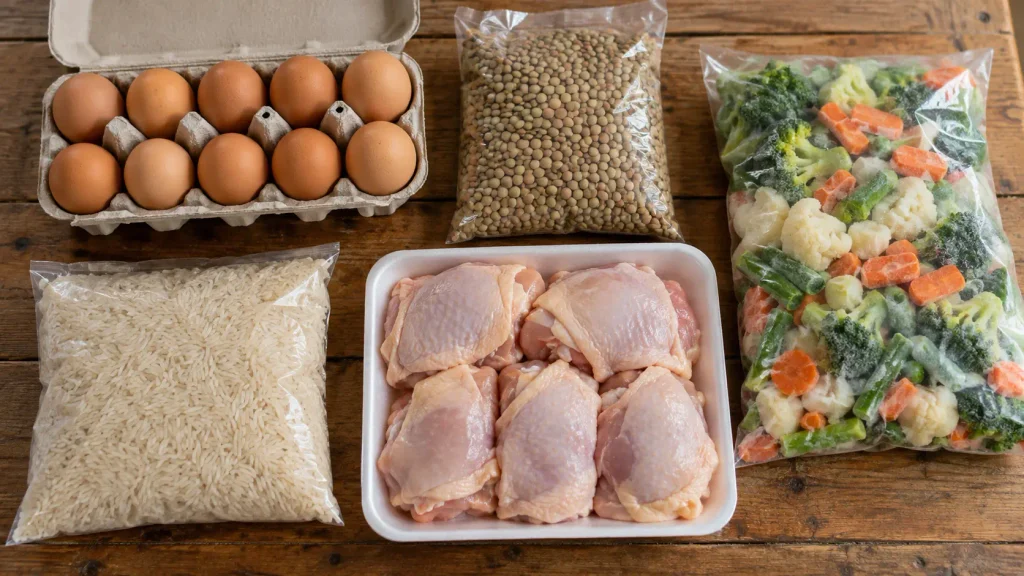
- Lean on inexpensive proteins. Eggs, lentils, and chicken thighs give you protein without relying on premium cuts every day.
- Use frozen vegetables. They keep for months, need no washing or chopping, and remove a whole step from prep day.
- Buy carb bases in bulk. Rice, oats, and pasta store well and scale easily to heavier or lighter training days.
- Cook once, use twice. Roast extra chicken on day one and turn part of it into a different meal later in the week.
Where Protein Supplements Fit Into Meal Prep for Hybrid Athletes
Food should carry most of the load, and a supplement plays a supporting role. A 2026 meta-analysis we covered in do protein supplements work found that the benefit comes mainly from closing a real gap in daily intake, with diminishing returns once total protein already reaches roughly 2 g per kg.
In practice, a shake is a backup for the day your prepped chicken runs out or your appetite is low after a hard session. It should not replace the planning that meal prep for hybrid athletes gives you.
7 Mistakes People Make With Meal Prep for Hybrid Athletes
Most failed attempts at meal prep for hybrid athletes come down to a handful of predictable errors.
- Cooking for the whole week in one session. Food prepared on day one may be past the 3–4 day window by the weekend.
- Storing hot food in one large container. Big batches cool slowly, so divide them into shallow containers first.
- Prepping only lunches. Breakfast and post-training meals are often where the protein target is missed.
- Under-portioning protein. If each meal falls well short of 20–40 g, the daily total will too.
- Ignoring carbohydrate on hard days. Meal prep for hybrid athletes has to fuel cardio as well as muscle.
- Cooking one dish five times. Boredom is the number one reason people abandon prep, and components fix it.
- Not labeling containers. Without a cooking date, nobody can honestly track the 3–4 day rule.
FAQ
How long does meal prep for hybrid athletes last in the fridge?
USDA guidance is to eat cooked leftovers within 3–4 days when stored at 40°F (4°C) or below. Freeze anything you will not eat within that window.
How many meals should meal prep for hybrid athletes cover each week?
Most people prep the meals that are hardest to make on the fly, usually weekday lunches and post-training meals, and keep breakfast simple. Prepping in two sessions per week keeps everything inside the safe window.
Can I prep the whole week in one session?
You can cook it all at once, but freeze the meals for the later days rather than keeping them in the fridge. Otherwise the last meals will be older than the 3–4 day guidance.
Do I need to weigh my food for meal prep for hybrid athletes?
It helps for the first week or two, mainly to calibrate portions. Weigh cooked food when using cooked nutrition values, because cooking changes weight: raw chicken breast is around 23 g of protein per 100 g, while cooked is about 31 g.
How do I stop meal prep for hybrid athletes from getting boring?
Cook components rather than full recipes, and change the sauces. Two proteins, two carb bases, and two sauces give you multiple combinations from the same prep session.
Should I still use a protein shake with meal prep for hybrid athletes?
Only if you are falling short of your target. If your prepped meals already reach roughly 1.6–2.2 g of protein per kg per day, a shake is optional convenience rather than a necessity.
Quick Action Plan: Your First Prep Day
Use this sequence to start meal prep for hybrid athletes this week:
- Calculate your daily protein target and divide it by the number of meals you eat.
- Choose two proteins, two carb bases, two vegetables, and two sauces, and write the shopping list.
- Cook everything in one session, starting with whatever takes longest in the oven.
- Divide food into shallow containers, cool it quickly, and label each one with the date.
- Keep 3–4 days of meals in the fridge and freeze the rest straight away.
- After a week, adjust the carbohydrate portions to match your real training days.
Bottom line: meal prep for hybrid athletes is less about perfect recipes and more about making protein and carbohydrate the easy default on busy training days. For more fueling guides built around combined training, browse our Nutrition section.








Leave a Reply