







⚡ Quick Answer — Does Cardio Kill Gains?
For most lifters, cardio does not kill gains. A 2026 umbrella review of 17 meta-analyses found muscle growth similar to lifting alone, with explosive power as the main possible cost. Keep most cardio easy, limit hard sessions, and space them away from heavy leg days.
Does cardio kill gains? It is the question every lifter asks the first time a run, a bike ride, or a conditioning block lands on the weekly schedule. The fear is simple: the extra work will eat the muscle and strength you spent months building.
We analyzed the results of 17 meta-analyses, covering 144 studies and 1,492 participants, to find out whether cardio really holds back your lifting. They come from a 2026 umbrella review by Held and colleagues in Sports Medicine, and they give a clearer answer than any single study can.
This guide turns that evidence into practical rules for athletes who lift and also run, cycle, or row. If you want the weekly structure first, pair it with our guide to strength training and cardio together and our 12-week hybrid training plan. You can also browse everything in our Strength & Conditioning category.

Does Cardio Kill Gains? What the 2026 Review Found
Does cardio kill gains? For most lifters, no. A 2026 umbrella review found that adding endurance training to a lifting program produced similar muscle growth to lifting alone, and strength was largely protected. The clearest cost appeared in explosive power, and it tended to grow when cardio was frequent, long, or done as running.
That answer comes from Held and colleagues, who pooled 17 meta-analyses. In plain terms, they compared concurrent training (lifting plus endurance work in the same program) with lifting-only and endurance-only programs across 144 studies. Aerobic fitness gains looked similar to cardio-only training, muscle growth looked similar to lifting-only training, and power was the outcome most likely to come out behind.
💡 What Is an Umbrella Review?
An umbrella review pools the results of existing meta-analyses instead of individual trials. It is one of the strongest forms of evidence because it shows where many independent analyses agree, and where they do not.
Does cardio kill gains in the research, then? Mostly no, but treat the results as averages, not promises. Most participants were healthy adults in programs lasting weeks to a few months, so your own results depend on your training history, sleep, food, and how much cardio you actually add.
Where the “Cardio Kills Gains” Myth Comes From
The idea has a real origin. In a famous 1980 study by Robert Hickson, people who trained both strength and endurance five days a week for ten weeks saw their strength gains stall and fall behind a strength-only group after about week eight. That single result shaped decades of gym advice, which is why lifters still ask, does cardio kill gains, every time they lace up their running shoes.
Later research added context. That study used a heavy, frequent schedule, and many later trials used less extreme programs and found a much smaller cost. Researchers call the competition between the two types of training the interference effect: endurance work can blunt some of the adaptations that lifting would otherwise produce.
The size of that effect depends on dose. One review of factors in concurrent training programs notes that endurance training three times per week may hinder muscle fitness gains, while two sessions per week appears to have a smaller impact. Frequency and duration are the levers that matter most.
5 Proven Findings on Cardio and Muscle Growth
The research answers the question does cardio kill gains with five findings. Each one changes how you should program cardio around your lifting.
Finding 1: Does Cardio Kill Gains in Muscle Size? Rarely
Whole-muscle growth looks largely unaffected. A 2022 meta-analysis of concurrent training and muscle fiber hypertrophy found that whole-muscle hypertrophy did not appear to be negatively affected compared with strength training alone. It did find a small reduction in fiber-level growth, mainly in type I fibers and mostly when the cardio was running.
The Held umbrella review agrees on the big picture: hypertrophy was similar between concurrent training and lifting alone. A small 11-week trial in 15 recreationally active men also found similar squat and bench press gains with and without endurance work, though a sample that small should be read with caution.
Finding 2: Maximal Strength Is Mostly Protected
Max strength follows a similar pattern. A 2022 meta-analysis led by Schumann concluded that combining aerobic and resistance training did not compromise maximal strength compared with lifting alone. So, does cardio kill gains in your heaviest lifts? In most trials, no.
Training status still matters. Beginners tend to respond in a similar way to single-mode and combined programs, while experienced athletes have less room to spare and need more careful programming, according to the factors review mentioned above.
Finding 3: Does Cardio Kill Gains in Explosive Power? That Is the Weak Spot
Explosive strength is the outcome most likely to take a hit. A 2022 meta-analysis found negative effects on explosive strength regardless of the intensity, type, or frequency of the aerobic training, and summaries of the 2026 umbrella review report lower power adaptations than lifting alone.
💡 Training Tip
Power work is speed work, so do it fresh. Schedule sprints, jumps, and Olympic lifts early in the week and early in the session, before any cardio. Ten crisp jumps beat thirty tired ones.
Finding 4: Running Costs More Than Cycling
The type of cardio matters. The 2022 fiber-level analysis found that interference was more pronounced when the endurance work was running than when it was cycling, at least for type I fibers. Earlier reviews reached a similar conclusion about running versus cycling.
Does cardio kill gains equally across every mode? Not quite. The reasons are still debated, so treat this as a practical lean rather than a rule. If building muscle is your top priority and you need extra aerobic volume, a bike, rower, or ski erg is a low-risk choice. If you love running, keep most of it easy. Our guide to running after leg day covers when an easy run is fine and when it is not.
Finding 5: Dose and Spacing Matter More Than Order
People love to argue about lifting first or running first. The evidence is mixed. The umbrella review suggests that lifting before endurance work may favor strength and hypertrophy, while the 2022 fiber analysis found no difference by same-session order. A 2026 review on sequencing suggests that strength-first training may suit athletes chasing explosive power or relative strength.
What shows up more consistently is dose and spacing. Frequent, long, moderate-intensity endurance sessions are linked to more interference, while short high-intensity intervals appear to cost less, although that finding comes mainly from lab studies. A review of team-sport research also found that longer recovery between sessions and a sensible choice of exercise mode can reduce the cost. Does cardio kill gains less when you space sessions apart? Often, yes.
The Evidence at a Glance
This table sums up how the research answers does cardio kill gains for each outcome. The confidence column is our own reading of the evidence, not a statistic from the studies.
| Outcome | Effect of adding cardio | Confidence (our read) |
|---|---|---|
| Whole-muscle size | Little to none | High |
| Muscle fiber size (type I) | Small reduction, mainly with running | Moderate |
| Maximal strength | Mostly preserved | High |
| Explosive power | Often smaller gains | Moderate |
| Aerobic fitness | Similar to cardio-only training | High |
How to Add Cardio Without Losing Gains
If you still wonder does cardio kill gains in your own training, the better question is how much, how hard, and when. These three habits keep the cost low.
Keep Most Cardio Easy
Easy aerobic work builds your base with less fatigue, which leaves more energy for lifting. A practical starting point is two or three easy sessions of 30 to 45 minutes per week, adjusted to how you recover. Our guide to Zone 2 training for hybrid athletes shows how to keep the effort honest.
💡 Training Tip
Use the talk test. If you cannot speak in full sentences, the session is no longer easy, and it will cost your next lift more than you expect.
Separate Heavy Legs From Hard Cardio
Give heavy squat, deadlift, and lunge days some distance from hard intervals and long runs. Here is a simple week for a lifter who wants to keep gains while building an aerobic base:
- Mon: Lower-body lift (heavy)
- Tue: Easy cardio, 30 to 40 minutes
- Wed: Upper-body lift
- Thu: Short interval session
- Fri: Full-body lift with moderate lower-body volume
- Sat: Long easy cardio
- Sun: Rest
The point is the spacing: hard days stay few and easy days stay easy. For more layouts, see our guide to the lifting and running split.
Eat and Recover for Two Jobs
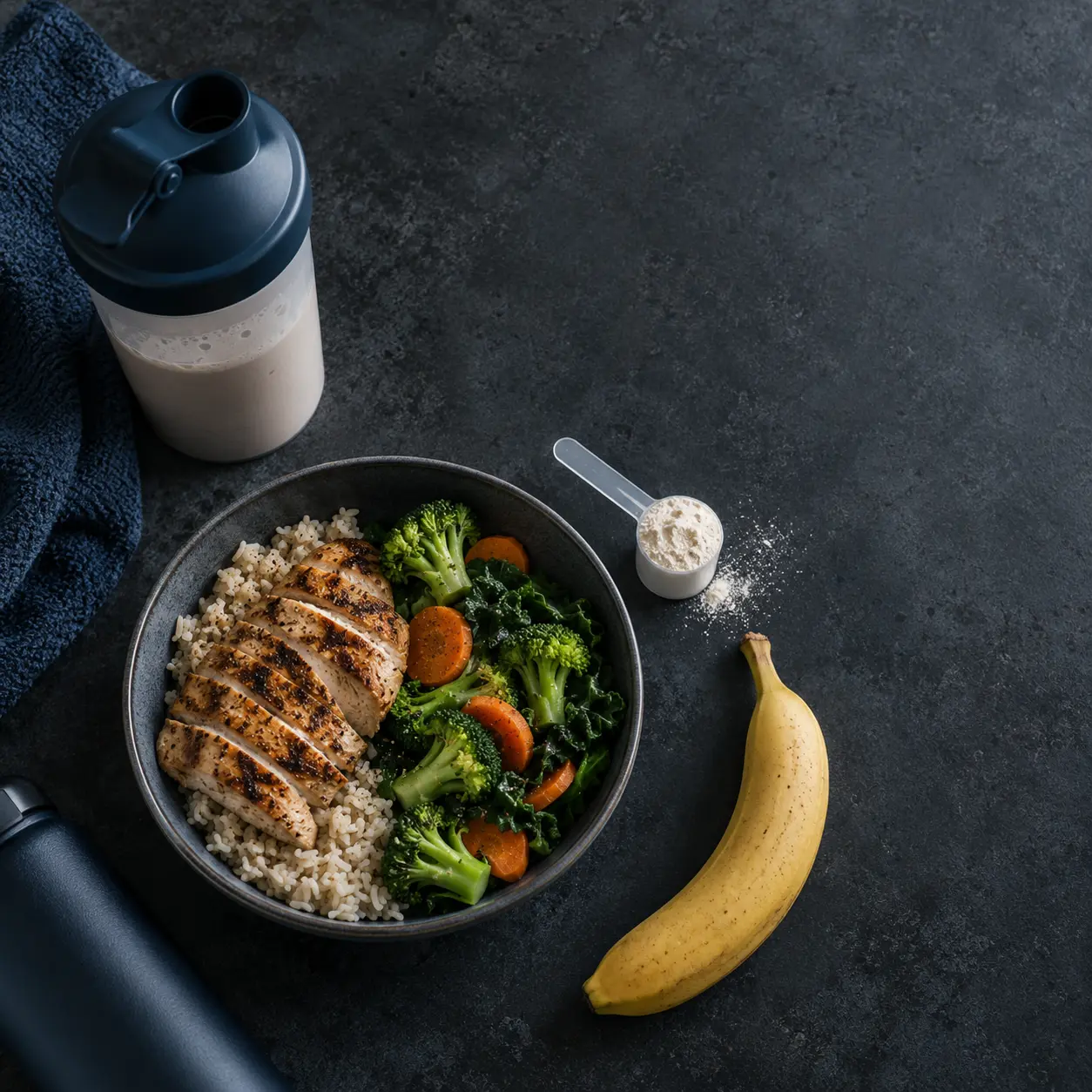
Lifting and cardio together raise your energy needs, and an under-fed athlete gets the worst of both worlds. Prioritize protein, enough total calories, and sleep before you add more volume. Our guides to nutrition for hybrid athletes and recovery for hybrid athletes cover the basics.
🚨 Important
Add cardio volume gradually, especially if you are new to running or cycling. Stop any session if you feel sharp pain, dizziness, or feel unusually unwell, and talk to a qualified professional if you have an injury or a health condition.
Common Mistakes That Make Cardio Hurt Your Lifting
In practice, does cardio kill gains? Only when the dose outruns your recovery. These mistakes are what usually cause that.
⚠️ Common Mistake
Adding cardio volume and intensity at the same time. Two new variables make it impossible to tell what is causing your stalled lifts.
Check your week against this list before you blame cardio itself:
- Hard intervals the day before heavy legs: two high-fatigue sessions back to back usually make both worse.
- Making every session moderate-hard: easy days that creep upward turn into constant fatigue.
- Under-eating and under-sleeping: lifting and cardio both draw on the same recovery budget.
- Doing power work last: sprints and jumps done on tired legs lose the speed that makes them useful.
- Chasing more volume instead of better volume: our guide to the minimum effective dose for strength training shows how fewer, harder sets protect recovery time.
- Guessing instead of tracking: a log of lifts, easy-run pace, and sleep shows whether cardio costs you anything, and our picks of fitness trackers for hybrid athletes can help.
Quick Action Plan
Use these five steps to add cardio without giving up the gains you have earned.
- Pick your priority. Decide whether muscle, strength, or aerobic fitness comes first, so you know which sessions to protect.
- Start with two cardio sessions per week. Keep most of the work easy, and add a third only if your lifts hold steady.
- Space the hard days. Keep heavy leg sessions and hard intervals at least a day apart.
- Choose low-impact cardio when muscle is the goal. Use a bike or rower when you need extra aerobic volume.
- Track for four to six weeks. If your lifts, sleep, and easy pace stay stable, hold the plan. If they slip, cut cardio volume before you cut lifting.

So, does cardio kill gains? Not when the dose is sensible, the hard days are few, and recovery keeps up. For most lifters, cardio adds aerobic fitness without costing the muscle they care about.
FAQ
Does cardio kill gains if I lift four days a week?
Not by default. Four lifting days leave room for two or three cardio sessions, as long as most are easy and the hard ones are spaced from heavy leg work. Watch your lifts and recovery for a few weeks, then adjust.
Does cardio kill gains for beginners?
Rarely. Beginners tend to respond in a similar way to single-mode and combined programs, so they have more room to add cardio. The bigger risk for new lifters is doing too much too soon.
How much cardio is too much for muscle growth?
There is no single number. Research suggests three endurance sessions per week may hinder muscle gains more than two, and long, frequent, moderate sessions tend to cost more. Start low and add more only if your lifting holds steady.
Should I do cardio before or after lifting?
If strength or muscle is the goal, lift first and keep the cardio easy. If endurance is the goal, run or ride first, or use a separate day. When you can, separate the two sessions by several hours.
Does cardio kill gains when you are cutting?
A calorie deficit is usually the bigger factor for muscle loss, not cardio itself. Keep protein high, keep lifting heavy, and add cardio gradually so the deficit does not grow too large. Our guide to protein supplements covers one common way to hit your targets.
Is cycling better than running for keeping muscle?
The research leans that way. Interference appeared more pronounced with running than with cycling, mostly at the muscle fiber level. If you love to run, keep most of it easy and limit the number of hard sessions.










Leave a Reply