






⚡ Quick Answer — Kona 2026 Lessons
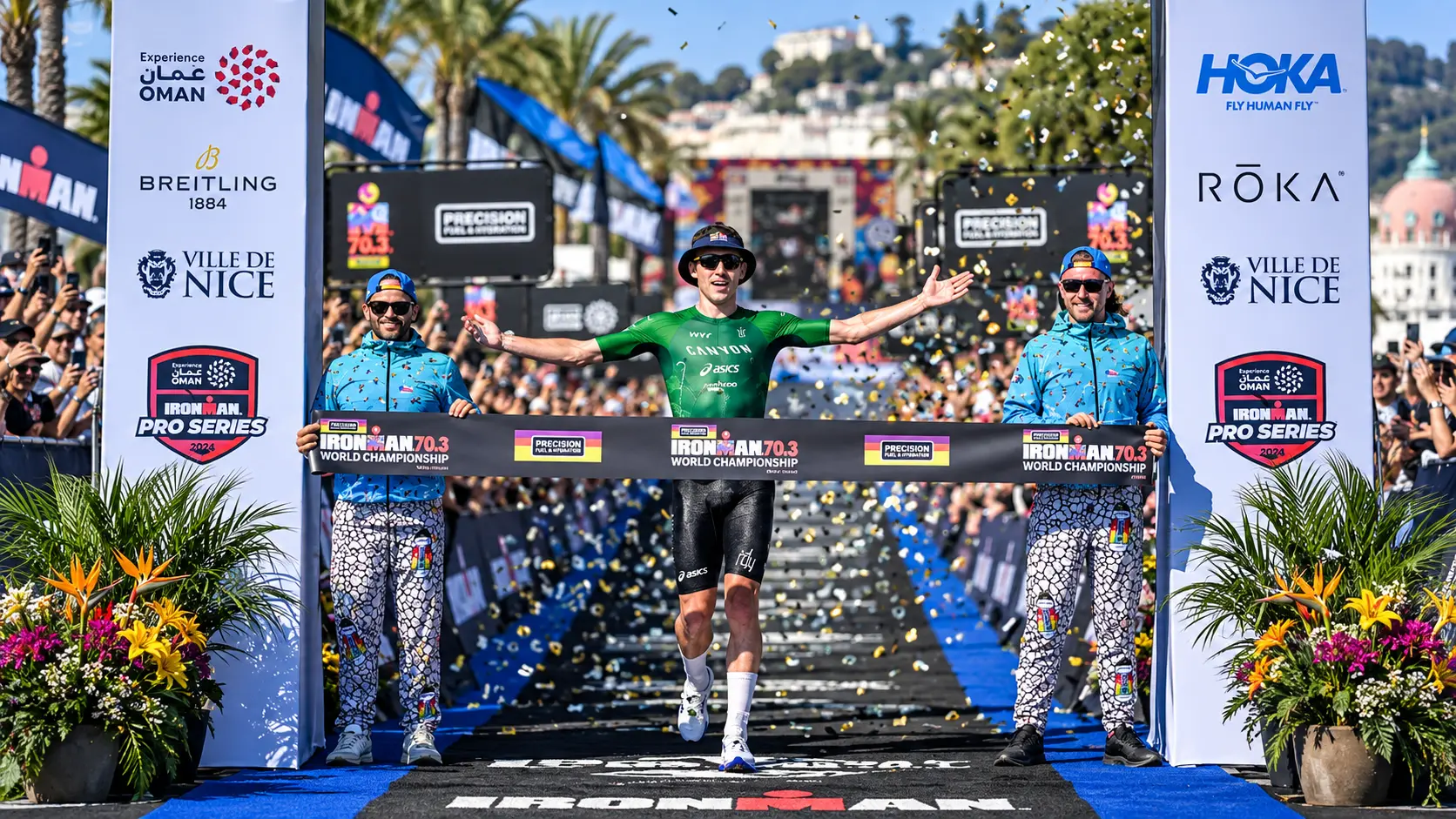
Vincent Luis (FRA) won the 2026 IRONMAN World Championship in 7:47:27 on his Kona debut, and Taylor Knibb (USA) won the women’s race in 8:36:29 after passing a collapsing Solveig Løvseth in the final mile. The six Kona 2026 lessons below cover the marathon, pacing, drafting penalties, changing conditions, fueling backups, and learning from a bad race.
Kona 2026 lessons start with one fact: the 2026 IRONMAN World Championship was decided late, on the run, after the weather turned from rain to heat. Two leaders were caught in the closing miles, and two athletes took the world titles because of it.
We analyzed the results and race reports from both pro races at the 2026 IRONMAN World Championship in Kona to pull out six lessons. Pro triathletes are not gym hybrid athletes, but the choices that decided this race apply to anyone who combines lifting with swimming, cycling, or running.
If you prefer the half-distance version, read our IRONMAN 70.3 Worlds Nice 2026 training lessons. You can also browse more race breakdowns in our Hybrid Disciplines & Athlete Stories category.
Kona 2026 Lessons: What Happened at the IRONMAN World Championship
The main Kona 2026 lessons are that the marathon decides the race, pacing beats an early lead, and small errors like a three-minute drafting penalty can swing a result. Luis and Knibb won on October 10, 2026, in conditions that moved from rain and a choppy swim to heat and humidity.
Men and women raced on the same day in Kona for the first time since 2019, with the men starting at 6:20 a.m. and the women at 6:30 a.m. The morning was rainy, with choppy water in Kailua Bay. Later the sun came out and the day turned hot, humid, and windy, with temperatures reported in the mid-80s °F, according to BigIslandNow’s race report.
For full race reports, see the Slowtwitch men’s race report and the Tri247 women’s race report. We used both, plus Tri247’s men’s report, for the details below.
💡 What Is a Drafting Penalty?
Pro cyclists must stay out of each other’s slipstream. A rider who breaks the rule gets a card and has to stop in a penalty tent for a set time. In the 2026 race, the penalties reported were three minutes each.
Kona 2026 Results at a Glance
Here are the podiums from both pro races. Gaps are shown relative to the winner, because race reports differ by a second here and there on exact finishing times.
| Race | Pos | Athlete | Time / Gap |
|---|---|---|---|
| Men | 1 | Vincent Luis (FRA) | 7:47:27 |
| Men | 2 | Gustav Iden (NOR) | +1:35 |
| Men | 3 | Matthew Marquardt (USA) | +2:31 |
| Women | 1 | Taylor Knibb (USA) | 8:36:29 |
| Women | 2 | Laura Philipp (GER) | +3:05 |
| Women | 3 | Julie Derron (SUI) | +9:56 |
The podiums only tell part of the story. Luis was racing Kona for the first time and has said this is his final season. Knibb had not finished the race in 2025, when she struggled in the heat, and she came back to win. Defending champion Løvseth led the women’s race until the final mile and finished eighth.
Plenty of names were missing from the finish list. Patrick Lange, a three-time champion, withdrew on the bike and has said this was his last Kona. Reigning champion Casper Stornes did not start after a bike crash. Those absences are part of why the Kona 2026 lessons are about decisions, not just fitness.
6 Proven Kona 2026 Lessons for Triathletes
These are pro-level races, but the principles scale down to a weekend athlete. Each of the Kona 2026 lessons below comes with one practical way to use it in your own training.
Lesson 1: The Marathon Still Decides Kona
The clearest of the Kona 2026 lessons is also the oldest: the run decides the race. Luis stayed in the lead group through the swim and the bike, then ran about 2:38. He surged around the 30 km mark, dropped Kristian Blummenfelt, and passed Magnus Ditlev, who had been slowing.
The women’s race says the same thing. Tri247 lists Laura Philipp’s marathon at 2:50:43, the fastest of the podium and about seven minutes quicker than Knibb’s 2:57:46. She still finished second, which shows that a strong run only rescues a race up to a point.
For hybrid athletes, the takeaway is to practice running on tired legs. Build the aerobic base first with our guide to Zone 2 training for hybrid athletes, and read running after leg day before you stack the two on the same day.
💡 Training Tip
Add one short, easy run straight after a weekly ride or lift. Ten to twenty minutes is enough to teach your legs to hold form when they are already tired.
Lesson 2: Kona 2026 Lessons on Pacing: An Early Lead Is Not a Win
Two athletes led deep into the run and lost it. Ditlev held a lead of about four minutes for much of the marathon, then slowed after mile 19 and began to walk. Luis passed him near the mile 21 aid station, and Iden followed.
In the women’s race, Løvseth took the lead with about 8 km to go and was reportedly more than a minute clear with about a kilometer to go. Then she collapsed several times, walked to the finish, and placed eighth, 25:39 behind Knibb. The reports describe what happened, not why, so treat it as a pacing warning and not a diagnosis.
The practical rule is simple. The first half of a long run should feel almost too easy, and the race only starts when the effort gets hard. Both of the Kona 2026 lessons on pacing point the same way: spend your energy late, not early.
⚠️ Common Mistake
Running your first miles at the pace you hope to hold at the end. Going out too fast borrows energy you will need back later, with interest.
Lesson 3: A Three-Minute Penalty Is Bigger Than a Winning Margin
Luis beat Iden by 1:35. Iden served a three-minute drafting penalty on the bike, and Marquardt, who finished third, also served three minutes. Tri247 reports that Derron, third in the women’s race, took a three-minute drafting penalty too.
Of all the Kona 2026 lessons, this one is the cheapest to apply. Three minutes is larger than the winning margin of the men’s race. We cannot say a penalty cost anyone the title, because the order of the race changed many times. The point is that a small rules mistake can cost more time than a good training week can win back.
For age-group athletes, the lesson is to read the race guide. Know the draft-zone distance, learn how passes are made, and practice holding a gap on group rides. Free time is the cheapest time you will ever find.
Lesson 4: Conditions Change the Race, So Train for the Day You Get
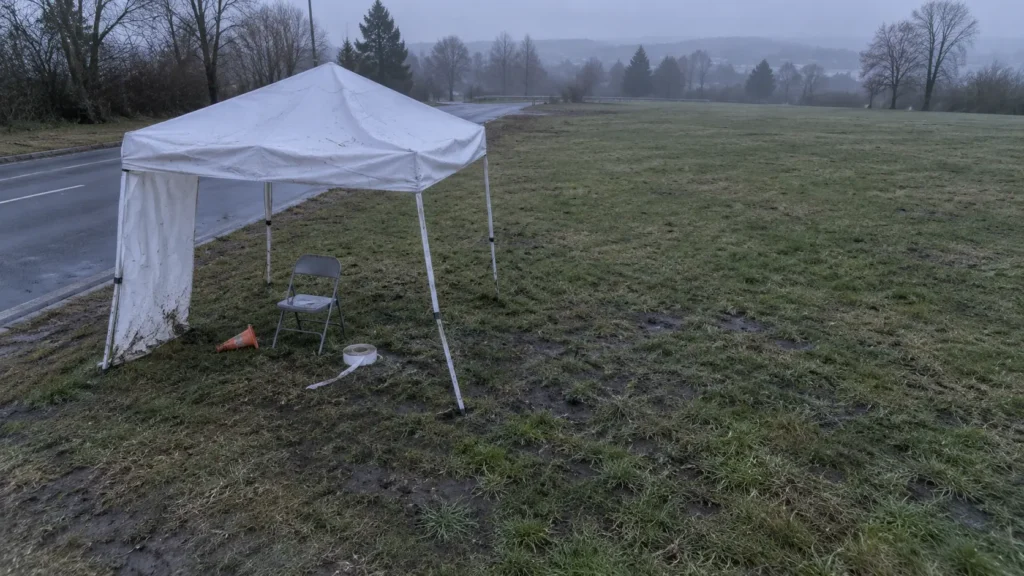
The day began with rain and a choppy swim, then turned hot, humid, and windy. Tri247 notes that Knibb’s bike split was about nine minutes slower than her 2025 split, which it attributes to very different conditions. Rain, wind, and heat are part of the race, not an excuse. Among the Kona 2026 lessons, this is the one you can rehearse but never control.
Hybrid athletes can borrow the idea without moving to Hawaii. Train in more than one kind of weather, and practice your fueling when it is warm. Our guides to nutrition for hybrid athletes and recovery for hybrid athletes cover the basics that make hot sessions easier to absorb.
🚨 Important
Heat raises cardiovascular strain on purpose, so build exposure gradually. Stop any session if you feel dizzy, nauseous, confused, or unusually unwell, and talk to a qualified professional if you have a health condition.
Lesson 5: Have a Plan B for Fueling and Gear
Slowtwitch reports that Ditlev’s front hydration mount snapped off on the bike and he handed the broken system to a race motorbike. Later in the race he slowed with what BigIslandNow calls an apparent cramp. Lange also withdrew on the bike, reportedly because of cramping.
The reports do not link the broken mount to the later fade, and we are not suggesting it caused it. Of the Kona 2026 lessons, this one is about preparation: when a single piece of gear fails, a rehearsed backup keeps a small problem small.
Test your plan the way you will use it. Carry a spare, practice drinking and eating at race effort, and write your fueling schedule down. If you are unsure where to start, our 12-week hybrid training plan builds sessions where this practice fits naturally.
Lesson 6: Treat a Bad Race as Data
Knibb did not finish Kona in 2025, when the heat got to her. In 2026 she won the world title, weeks after winning the IRONMAN 70.3 World Championship in Nice, which we covered in our 70.3 Worlds Nice lessons.
Løvseth lived the opposite story, winning in 2025 and then collapsing in the final mile in 2026. Neither result means one athlete is better than the other. What matters is that a bad day is information, and the athletes who use it carefully tend to come back stronger.
Applying the Kona 2026 lessons about failure starts with your own races and hard sessions. Write down what you ate, how you paced, and how the weather felt. A simple log, or one of the devices in our guide to fitness trackers for hybrid athletes, makes the pattern visible.
Kona 2026 Lessons at a Glance
This table sums up the six Kona 2026 lessons, what happened in the race, and what you can do about it.
| Lesson | What happened | What to do |
|---|---|---|
| 1. Marathon decides | Luis surged late and passed Ditlev | Add short runs on tired legs |
| 2. Pace patiently | Two leaders were caught late in the run | Start easy, finish hard |
| 3. Avoid penalties | Three podium finishers served three-minute drafting penalties | Learn the draft zone |
| 4. Train for conditions | Rain turned into heat and humidity | Train in varied weather |
| 5. Plan B | Ditlev’s hydration mount broke | Carry and rehearse backups |
| 6. Learn from failure | Knibb won a year after not finishing | Debrief and log every race |
How to Apply These Kona 2026 Lessons in Your Own Training
You do not need a full triathlon plan to use these ideas. A four-week block, added to your normal lifting and cardio, is enough to test them without overloading your recovery:
- Week 1: Add one 10 to 15 minute easy run straight after a ride or lift.
- Week 2: Keep that run, and practice your fueling plan during your longest session.
- Week 3: Do one session in warm weather or indoors with a fan off, with water within reach.
- Week 4: Repeat the longest session, compare it with week 2, and write down what changed.
If you enter competitions, our overview of hybrid fitness competitions and the comparison in CrossFit vs triathlon are good next reads.
Common Mistakes When Using the Kona 2026 Lessons
Pro races are exciting to copy, which is exactly why athletes misuse the Kona 2026 lessons. Check yourself against this list before you change your training:
- Copying pro volume: pros train far more than an amateur can recover from, so copy the principles, not the hours.
- Reading too much into one race: a single result is a story, not a trend.
- Ignoring the weather forecast: a plan that works in cool air can fall apart in heat.
- Changing everything at once: add one habit at a time so you can see what works.
- Treating a collapse as a character flaw: pacing and fueling are skills, and they can be practiced.
Quick Action Plan
Use these five steps to turn the Kona 2026 lessons into habits you can start this week.
- Add one short run off the bike or the weights. Keep it easy and keep it short.
- Rehearse your fueling. Practice eating and drinking at race effort in your longest session.
- Learn your race rules. Read the draft-zone and penalty rules before race day.
- Train in different conditions. Include at least one warm session, with a gradual build.
- Debrief every race. Write down pacing, fueling, and weather so next time starts smarter.
In short, the Kona 2026 lessons come down to patience, preparation, and honest feedback. None of them needs a pro budget, only a habit you repeat.
FAQ
Who won Kona 2026?
Vincent Luis of France won the men’s race in 7:47:27 on his Kona debut. Taylor Knibb of the USA won the women’s race in 8:36:29.
What are the biggest Kona 2026 lessons for beginners?
Start easy, practice your fueling, and know the race rules. Those three habits would have helped several athletes in this race, and they are free.
Why did Løvseth collapse in the final mile?
Race reports say she suddenly could not run and then struggled to walk. They do not give a confirmed cause, so it is best to treat her race as a reminder about pacing and fueling, not a diagnosis.
Do pro race lessons apply to amateur athletes?
Yes, the Kona 2026 lessons work at any level, but copy the principles, not the training load. Pacing, fueling, and preparing for conditions scale down, while pro-level volume does not.
How long is a drafting penalty in an IRONMAN race?
In the Kona 2026 reports, the penalties were three minutes, served in a penalty tent. Check your own race guide, because rules and times vary by event and category.

Leave a Reply