







⚡ Quick Answer — Brick Workouts
Brick workouts are back-to-back sessions, usually a bike followed immediately by a run, that teach your legs to switch disciplines. Done once or twice a week with the right intensity, they make the first kilometers off the bike feel less awkward. Below are five proven sessions, from an easy starter to a race-pace test.
Your legs feel like wet concrete for the first ten minutes of the run. If you have ever stepped off the bike and wondered why your stride vanished, you already know why brick workouts exist. They are the simplest way to rehearse that moment before it counts.
We reviewed the published research on bike-to-run transitions, including a 2019 review of elite short-course triathlon, and turned it into five brick workouts you can fit into a normal training week. We kept the claims modest, because the evidence is more mixed than most blog posts admit.
What Are Brick Workouts?
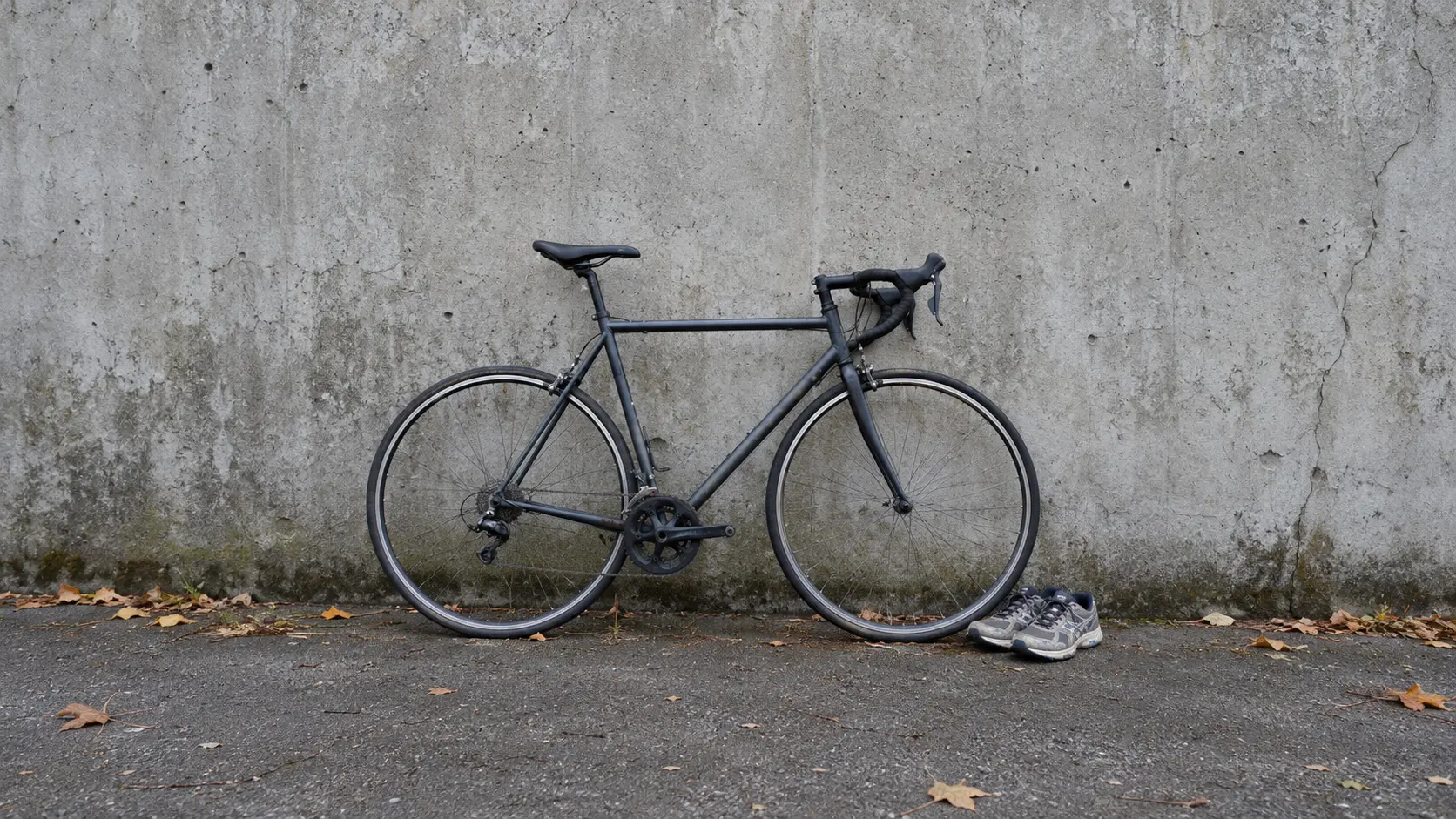
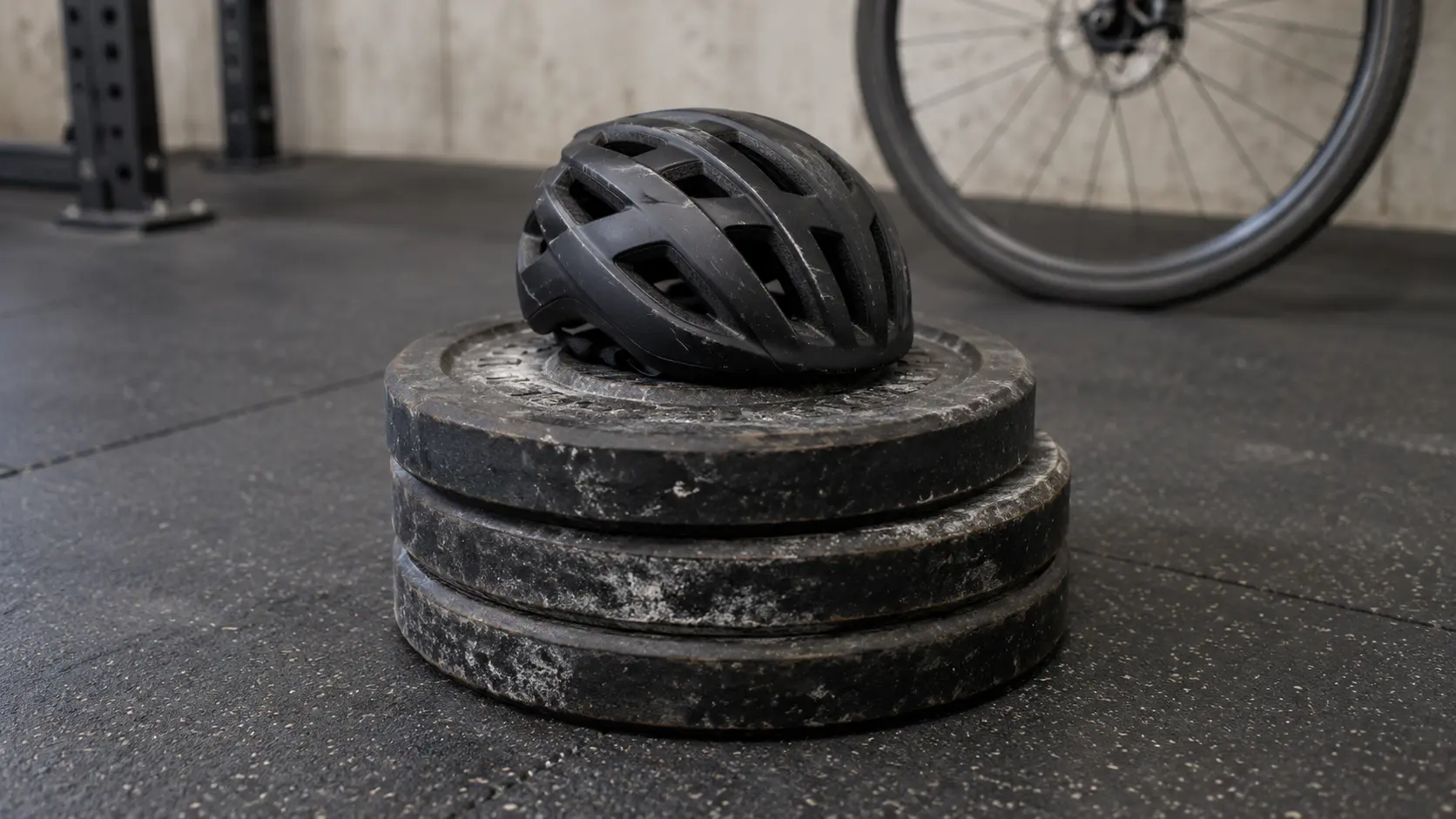
Brick workouts combine two disciplines in one session with little or no rest between them. The classic version is cycling followed straight away by running, but the same idea applies to swim-to-bike or a lifting session followed by a short run.
Brick workouts are back-to-back training sessions, most often a bike ride followed immediately by a run, designed to practice the transition between disciplines. They help the body adapt to running on tired legs, rehearse pacing and fueling, and build confidence before a triathlon or multisport event.
The name is said to come from the feeling in your legs: heavy as bricks. That feeling is the whole point. You are not trying to avoid it, you are trying to get familiar with it.
💡 Training Tip
Keep the transition fast. Rack the bike, swap shoes, and start running within two minutes. A long break turns a brick into two separate workouts.
Why Brick Workouts Work (and What Research Says)
After cycling, your legs have spent a long time turning over in a fixed, circular pattern. Running asks for a very different motion, with impact, a longer stride, and more hip extension. The switch can feel clumsy even when you are fit.
A 2019 review in the journal Sports looked at the cycle-to-run transition in elite triathletes. It reported that most athletes show little change in running mechanics after riding. However, in one study of 34 elite triathletes, about 30% showed altered muscle activation during the run, and that group had a roughly 3.7% drop in running economy. In other words, the transition hurts some people much more than others.
The same review is honest about brick training itself. It notes that evidence is limited, and that the one study testing repeated bike-run sessions found transition times improved but overall performance did not. The author suggests more variable, higher-intensity sessions may be more useful than steady moderate ones.
A smaller 2010 biomechanics study from the ISBS conference compared a group doing brick workouts with a group doing single-sport training. The brick group showed more adaptable knee behavior when moving from cycling to running. With only 12 subjects, treat it as a hint, not a rule.
🚨 Important
The research on brick workouts is small and still developing. Use them as a practical rehearsal tool, not as a guaranteed way to run faster. If a session causes sharp pain or dizziness, stop and rest.
5 Proven Brick Workouts to Try
These five sessions run from beginner-friendly to race-specific. Pick one or two based on your goal event, and keep the rest of your week easy enough to recover. You can see how they sit inside a larger block in our 12-week hybrid training plan.
1. The Easy Starter Brick
This is the session to begin with if you have never done brick workouts before. The goal is simply to feel the transition without any pressure.
Ride 30 to 45 minutes at a conversational effort, then change shoes and run 10 to 15 minutes at the same easy effort. Focus on short, light steps for the first few minutes. Do not check your pace until the last five minutes.
2. The Tempo Brick
Here you add a little intensity to the run, which is where the research hints at the most benefit. It suits anyone training for a sprint or Olympic-distance event.
Ride 45 to 60 minutes with the final 15 minutes at a steady, comfortably hard effort. Transition quickly, then run 20 minutes, building from easy to a tempo effort over the second half. Finish with five minutes of easy jogging.
3. The Lift-Run Brick
Not every brick workout needs a bike. For lifters who run, a short run straight after a strength session teaches your legs to move well when they are already fatigued. It pairs well with the principles in strength training and cardio together.
Do a normal upper-body or light lower-body session, then run 15 to 20 minutes easy. Avoid heavy squats or deadlifts before this one, because tired legs plus high load is a poor combination. If you are unsure, read our guide on running after leg day first.
4. The Race-Pace Brick
This is your dress rehearsal. It copies the demands of a half-distance or Olympic race, so schedule it four to six weeks before your event, not the week before.
Ride 60 to 90 minutes, including 20 to 30 minutes at your planned race effort. Practice your normal fueling during the ride. Then run 20 to 30 minutes, starting slightly slower than your target pace and settling in after the first kilometers. The IRONMAN 70.3 Worlds training lessons show how top athletes handled this same hand-off under pressure.
5. The Micro-Brick Repeats
Short repeats are a good way to practice the switch many times without a big recovery cost. Because the research suggests variable, higher-intensity work may matter, this format is worth trying.
Alternate 10 minutes of cycling at a steady hard effort with 5 minutes of running at a controlled hard effort. Repeat three or four times, with a minute of rest between rounds. Finish with an easy 10-minute spin. On a trainer or treadmill, this can be done in a gym.
Brick Workouts at a Glance
The table below compares the five sessions so you can choose quickly. Durations are approximate and should be scaled to your fitness and event distance.
| Session | Bike | Run | Intensity | Best For |
|---|---|---|---|---|
| Easy Starter | 30–45 min | 10–15 min | Easy | Beginners, base phase |
| Tempo Brick | 45–60 min | 20 min | Moderate to hard | Sprint and Olympic prep |
| Lift-Run Brick | None | 15–20 min | Easy | Lifters who run |
| Race-Pace Brick | 60–90 min | 20–30 min | Race effort | Final build phase |
| Micro-Brick Repeats | 3–4 × 10 min | 3–4 × 5 min | Hard, controlled | Skill and variety |
How to Fit Brick Workouts Into Your Week
One brick session per week is enough for most people. Two can work in the final eight to ten weeks before an event, but only if the rest of your training stays controlled. Doing more usually adds fatigue without adding skill.
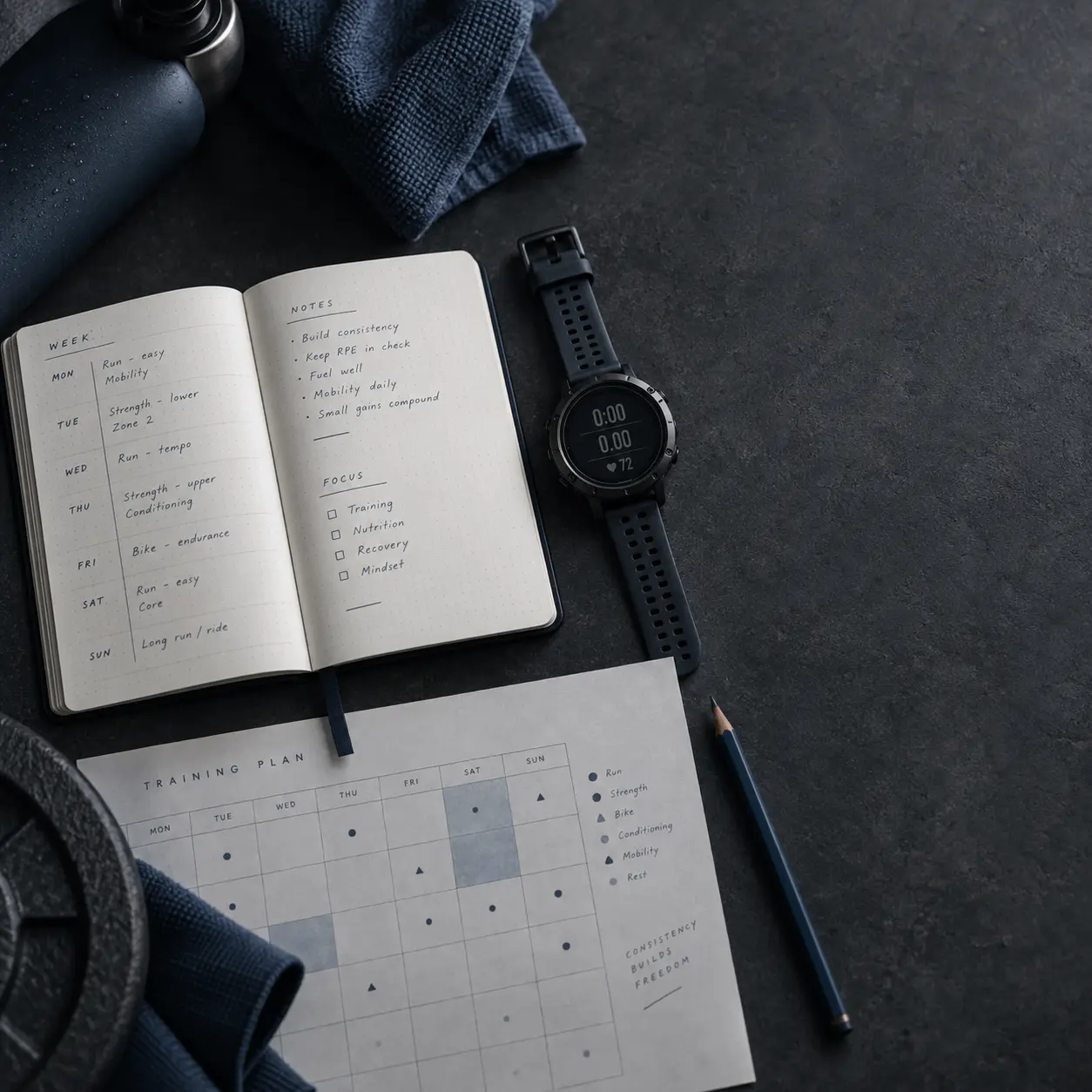
A simple weekly layout keeps things clear. Place your brick on a day when you are fresh, ideally after an easier day, and keep the day after it light. Your other sessions should respect the same ideas as a minimum effective dose approach to lifting, so strength work does not compete with your key cardio days.
Here is a sample week for someone preparing for an Olympic-distance triathlon with two lifting sessions.
- Monday: Easy run or full rest
- Tuesday: Lower-body strength session, kept moderate
- Wednesday: Zone 2 ride or swim
- Thursday: Upper-body strength and short easy run
- Friday: Rest or mobility
- Saturday: Brick workout (tempo or race-pace)
- Sunday: Long easy aerobic session
Most of your volume should stay easy. Our guide to Zone 2 training explains why, and it is the foundation that makes your brick workouts productive instead of exhausting.
Fueling and Recovery for Brick Workouts
Brick workouts are one of the best places to test your nutrition, because the combination of riding and running exposes any fueling mistake. A stomach that tolerates cycling can protest the moment you start running.
Practice taking in carbohydrate during the ride at the rate you plan to use on race day, and sip fluids regularly. Then keep your intake steady through the run. If you are building a plan, our article on nutrition for hybrid athletes covers carbohydrate and protein targets in more detail.
Afterwards, prioritize a meal with protein and carbohydrate, plenty of fluids, and a proper night of sleep. Our piece on recovery rules shows how to space hard days so your next brick workout is a quality one.

Common Brick Workouts Mistakes
Most problems with brick workouts come from doing too much, too soon, or from treating every session as a race. Avoid these four mistakes and your progress will be smoother.
- Making every brick hard. Only one session a week should have real intensity.
- Taking long transitions. Stretching, snacking, and scrolling your phone for ten minutes defeats the purpose.
- Ignoring cadence. Grinding a heavy gear on the bike usually makes the first run kilometers worse. A smooth, moderate cadence is kinder to your legs.
- Starting the run too fast. Your legs will feel odd, and your pace on the watch may be misleading. Begin controlled and settle in.
⚠️ Common Mistake
Stacking a hard brick the day after heavy leg work. That is how a useful rehearsal becomes an injury risk. Keep at least one easy day between them.
Brick Workouts for Different Sports and Goals
Triathletes are the obvious audience, but brick workouts help other athletes too. A runner who cross-trains on a bike can use the easy starter version to keep running skills sharp. A CrossFit athlete who rides and runs in events can use micro-brick repeats to practice quick switches. Our comparison of CrossFit vs triathlon shows how much the two worlds overlap.
If your goal is general fitness rather than racing, you can still benefit. Brick workouts make training more varied, build aerobic capacity, and teach pacing. Start with the easy version and progress slowly. For more structure, browse our Training Programs category.
For the underlying science, the 2019 review on the cycle-to-run transition in elite triathlon is open access and worth reading if you want the full detail. The 2010 ISBS study on training for the bike-to-run transition gives a smaller look at brick training itself.
Quick Action Plan
Use this five-step plan to add brick workouts to your training without overloading yourself.
- Pick one day per week for your brick workout, ideally after an easier day.
- Start with the easy starter session for two to three weeks.
- Move to the tempo brick or micro-brick repeats once the transition feels familiar.
- Add a race-pace brick four to six weeks before your event and test your fueling.
- Keep every other session easy, and protect your sleep.
FAQ
How often should I do brick workouts?
Once a week is enough for most people. Two per week can work in the final build phase if everything else stays easy. More than that tends to add fatigue without much extra benefit.
Do brick workouts make you run faster?
The evidence is limited. Research suggests they may help you adapt to the transition, but overall performance gains are not clearly proven. Think of them as practice for the specific feeling of running off the bike.
How long should the run be in a brick workout?
Between 10 and 30 minutes works for most sessions. Beginners should start short, while race-pace sessions can run longer. You do not need to run the full race distance to benefit.
Can I do brick workouts without a bike?
Yes. A short run after a strength session or after a rowing or ski-erg workout also trains your legs to move when tired. The bike-run version is simply the most specific for triathlon.
Are brick workouts safe for beginners?
They can be, if you start easy and keep transitions relaxed. Build up gradually, and speak with a qualified coach or doctor if you have health concerns or recurring pain.










Leave a Reply