






⚡ Quick Answer — Swim Training for Lifters
Swim training for lifters starts with two short, easy pool sessions per week, built around technique rather than speed. The pool adds aerobic fitness and joint-friendly recovery work, and five simple steps below show how to fit it around your lifting without losing strength.
You can squat a house but gasp after two lengths of the pool. That mismatch is normal, and it is exactly why swim training for lifters feels so humbling at first and so useful once it clicks.
We reviewed three sources for this guide: a public health page from the CDC, a beginner guide from U.S. Masters Swimming, and a review of strength training in swimming. Together they shape the five steps below, which you can start with nothing more than a pool and a few free evenings.
What Is Swim Training for Lifters?
Before the plan, a clear definition helps, because swimming asks for skills that gym strength does not automatically give you.
Swim training for lifters is a beginner-friendly approach where strength athletes add two or three easy pool sessions per week to build aerobic fitness, improve breathing control, and recover between lifting days. The focus is on technique and relaxed effort first, with speed and distance added only after the stroke feels smooth.
In practice, swim training for lifters means treating the pool as a skill session, not a workout you muscle through. Strong shoulders and lats help, but water rewards balance, timing, and relaxed breathing far more than raw power.
💡 Training Tip
Swim slower than you think you should. Most lifters sink their legs and fight the water with their arms. Easy, smooth strokes teach the body position that makes everything else faster.
Why Swimming Suits Strength Athletes
Swim training for lifters is a different kind of cardio from running or cycling. Your body is supported by the water, so the impact on joints is low, and your upper body does much of the work. That combination is why many lifters find it a pleasant change.
The CDC’s healthy swimming page notes that people can exercise longer in water without increased joint or muscle pain, and it links water exercise with better mood and enjoyment compared with land exercise. These points come from the CDC’s summary of health research, so treat them as general benefits rather than guarantees for every person.
The research on strength and swimming is also worth knowing. A review titled “Strength Training in Swimming” argues that land exercises cannot fully reproduce the movement patterns of the stroke, and that high swim volume may limit muscle growth. The text is mostly aimed at competitive swimmers, so for lifters the practical message is simple: swimming complements the gym, but it does not replace it.
🚨 Important
Never swim alone if you are a beginner, and never push your breath-holding or train in open water without supervision. If you feel dizzy, short of breath beyond normal effort, or unwell, stop and get out of the water. Check with a qualified professional first if you have a heart, lung, or shoulder condition.
5 Simple Steps for Swim Training for Lifters
The steps below move swim training for lifters from comfort to structure. Spend a few weeks on the first two before worrying about distance or pace.
1. Start With Short, Easy Sessions
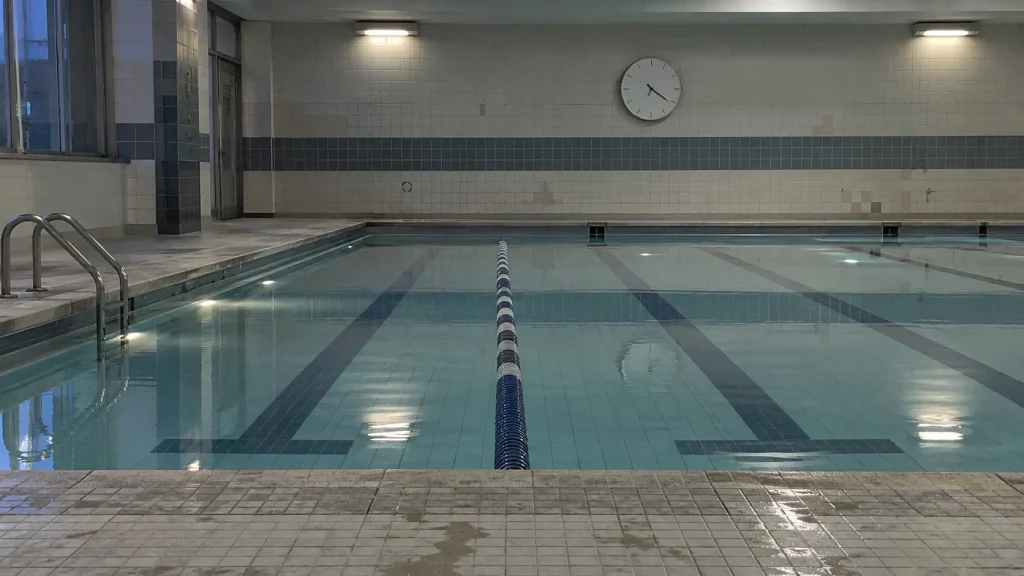
Begin with two sessions per week of 20 to 30 minutes, which is plenty for week one. U.S. Masters Swimming notes that even 10 to 45 minutes can be a worthwhile swim, so you do not need long workouts to make progress. Rest between lengths whenever you need it.
This is the quiet secret of swim training for lifters: frequency and relaxation beat heroics. A 25 minute session you can repeat twice weekly will teach you more than one exhausting hour. Our guide to Zone 2 training for hybrid athletes explains why easy aerobic work is such a strong foundation.
2. Learn the Basics Before Chasing Speed
Freestyle for beginners is mostly three things: a flat body position, relaxed breathing out underwater, and a steady kick. Most lifters have tight shoulders and stiff ankles, so these feel awkward at first. That is normal, and it is the main reason swim training for lifters should begin with patience. Stiff ankles make the kick short and choppy, and tight shoulders limit how far your arm reaches, so give both a few weeks to adapt before judging your progress.
Use short drills, which isolate one part of the stroke and make flaws easier to spot. U.S. Masters Swimming points out that drills are meant to perfect form, so going slowly is fine. If you can, book a lesson or ask a certified coach to watch your stroke, because mistakes are hard to see from video alone.
3. Place Swims Around Your Lifting
Swim training for lifters works best when it does not collide with your heaviest leg day. Put pool sessions on upper body days, on rest days, or at least several hours after hard lower body training. Swimming is gentle on the legs, but a long session still adds fatigue.
Many people find an easy swim helps them feel looser the day after heavy lifting, but that is individual, so test it. The sample table below shows one possible week, and you can read more about timing in our rules for combining strength training and cardio.
| Day | Lifting | Pool | Focus |
|---|---|---|---|
| Monday | Lower body strength | None | Lift, then rest |
| Tuesday | None | 25 min easy swim | Drills and breathing |
| Wednesday | Upper body | None | Heavy pressing and pulling |
| Thursday | Lower body volume | None | Lift, then rest |
| Friday | None | 30 min easy swim | Longer continuous swims |
| Saturday | Optional accessory work | None | Mobility and light work |
| Sunday | None | None | Full rest |
These numbers are an example, not a prescription. Adjust the days and durations to your own schedule, fitness, and comfort in the water.
4. Build Volume With Simple Sets
After three or four weeks, add structure. Swim short repeats with a fixed rest, for example 8 repeats of 25 meters with 20 seconds of rest, then slowly lengthen the repeats. U.S. Masters Swimming describes fixed rest and send-off intervals as two common ways to organize sets.
Keep the effort easy to moderate, and resist the urge to race the person in the next lane. Swim training for lifters should leave you feeling better, not wrecked. If your shoulders ache or your bench press suffers the next day, drop the volume and return to drills. Shoulder stress is the main place where lifting and swimming can overlap too much.
5. Fuel Well and Track What Happens
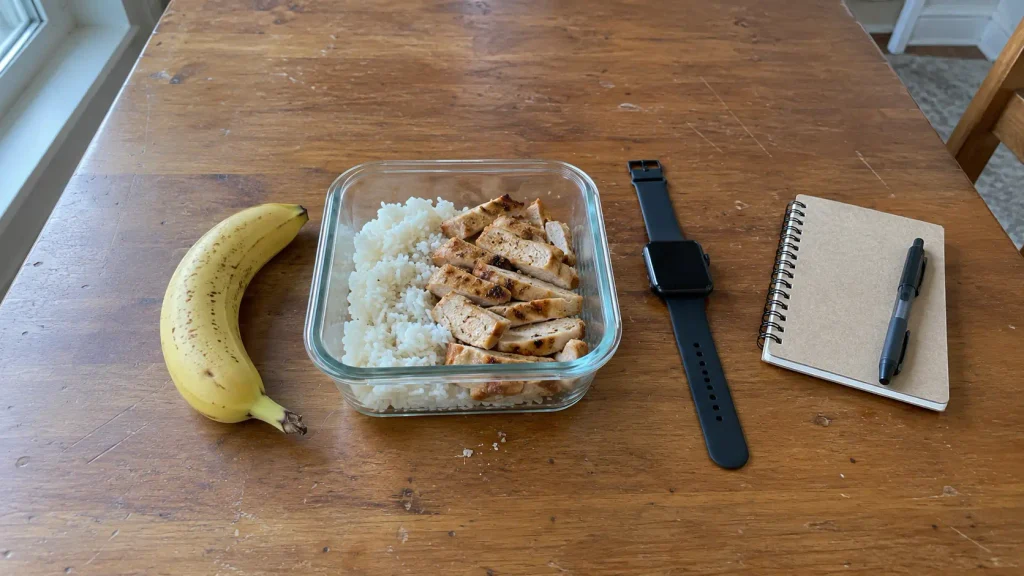
Swimming burns more than most people expect, and many lifters feel hungry afterward. Eat a balanced meal with carbohydrates and protein after sessions, and keep total protein steady. Our guide to nutrition for hybrid athletes explains how to adjust macros when activity rises.
Then track the response for four weeks: your lifts, sleep, shoulder comfort, and how easy the pool feels. A basic watch is plenty, and our picks of the best fitness trackers for hybrid athletes can help you choose one that handles pool tracking.
Swimming vs Cycling and Running for Lifters
Many lifters ask where swim training for lifters ranks against the other cardio options. The honest answer depends on your goals, your joints, and what you enjoy. The table below summarizes the practical differences.
| Factor | Swimming | Cycling | Running |
|---|---|---|---|
| Joint impact | Very low | Low | Higher |
| Learning curve | Steep at first | Gentle | Gentle |
| Main muscles used | Upper body and core | Legs | Legs |
| Access needed | Pool | Bike or trainer | Shoes |
| Best use for lifters | Recovery and variety | Base building | Race preparation |
If you already ride, our guide to cycling for lifters shows how to add bike sessions, and running after leg day covers the third option. Swimming is the best choice when your legs are tired and you still want aerobic work. It also suits days when your joints feel beaten up from heavy squats, because the water supports your body weight. Many lifters keep one weekly swim as a standing recovery session, even when other cardio changes through the season.
Signs You Are Doing Too Much in the Pool
The pool feels harmless, so people add volume too fast in swim training for lifters. Watch for patterns across several sessions rather than reacting to one rough day.
- Your shoulders feel sore or pinchy during pressing or overhead lifts.
- Your bench press or pull-up numbers drop for two weeks or more.
- You feel constantly hungry and tired outside training.
- Your stroke falls apart in the second half of every session.
- You dread getting in the water rather than looking forward to it.
If two or more appear together, cut pool volume by about a third for a week and focus on drills. Our guide to recovery for hybrid athletes covers what else to adjust.
Common Mistakes in Swim Training for Lifters
Most problems come from treating the pool like the gym. These are the errors that appear most often when strong people start swimming.
- Muscling every stroke. Pulling hard with the arms while the legs sink wastes energy and tires the shoulders.
- Skipping technique work. Without drills, bad habits become permanent.
- Holding the breath. Breathing out steadily underwater is what makes breathing in easy.
- Swimming only hard sets. Easy volume builds the base, just like easy cardio on land.
- Ignoring shoulder warning signs. Pain that returns session after session needs a break and a professional opinion.
⚠️ Common Mistake
Doing a long swim the day before heavy overhead pressing. Fatigue in the shoulders is the most common reason lifters feel flat in the gym after starting the pool.
Where to Go Next
Once the basics feel natural, you can fold swim training for lifters into a longer block. Our 12-week hybrid training plan shows how to progress strength and endurance together, and CrossFit vs triathlon explains how swimming fits into multisport training.
If you like combining sessions, take a look at our brick workout sessions, and browse the Training Programs category for more plans.
For official and beginner-friendly reading, see the CDC page on swimming and your health and the U.S. Masters Swimming guide to starting swim training as an adult.
Quick Action Plan
Use this short checklist to start swim training for lifters over the next four weeks.
- Book two easy pool sessions of 20 to 30 minutes on non-leg days.
- Spend the first two weeks on drills, relaxed breathing, and an easy kick.
- Ask a coach or experienced swimmer to check your stroke once.
- In week three, swim short repeats such as 8 x 25 meters with easy rest.
- Eat a carbohydrate and protein meal after each session.
- Log your lifts, shoulders, and energy, and cut pool volume by a third if they decline.
FAQ
Is swim training for lifters a good idea?
For most people, yes. Swimming adds low-impact aerobic work and gives your legs and joints a break from running or cycling. Start easy and protect your shoulders so your lifting stays on track.
How often should lifters swim per week?
Two sessions per week is a sensible start, often 20 to 30 minutes each. Add a third only when your technique feels comfortable and your lifts and shoulders are holding steady.
Will swimming hurt my muscle gains?
A heavy swim volume may limit muscle growth, according to the strength training in swimming review. Easy sessions at two or three per week are unlikely to be a problem for most lifters, but adjust based on your own results.
Why do lifters get tired so quickly in the pool?
Most beginners waste energy with poor body position and breath control, not weak muscles. Slow drills, relaxed exhaling, and a steady kick usually improve this within a few weeks.
Should I swim before or after lifting?
If you do both on the same day, lift first and swim afterward so your strength work gets your freshest body. Separate sessions by several hours when you can, especially around heavy upper body training.








Leave a Reply